When it comes to Asian cuisine, Afghan Food vs Indian Food often sparks curiosity. Both are rich, flavorful, and deeply rooted in culture, but they differ in ingredients, cooking styles, and taste. Whether you’re dining at a local restaurant or cooking at home, understanding these differences can elevate your culinary experience. At Afghan Kabob & Donair, we often get questions about these cuisines, and this guide will help you explore the afghan food vs indian food differences in an easy-to-understand way.
Introduction to Afghan and Indian Cuisines
Afghan cuisine is a unique blend of Middle Eastern, Central Asian, and South Asian influences. It is known for its simplicity, subtle flavors, and emphasis on fresh ingredients. Popular dishes often include grilled meats, rice-based meals, and bread, highlighting natural flavors rather than overpowering spices.
Indian cuisine, on the other hand, is famous worldwide for its bold, diverse flavors. It combines a variety of spices, herbs, and cooking techniques that vary from region to region. From creamy curries to spicy street food, Indian dishes often have a more complex flavor profile than Afghan dishes.
This guide will explore the difference between Afghan and Indian cuisine, focusing on ingredients, spices, traditional dishes, and taste.
Key Differences Between Afghan and Indian Cuisine
| Feature | Afghan Food | Indian Food |
| Flavor Profile | Mild, subtle, balanced | Bold, complex, spicy |
| Spices Used | Saffron, coriander, dill, black pepper | Turmeric, cumin, chili, garam masala |
| Cooking Style | Grilled meats, rice pilafs, slow-cooked stews | Curries, tandoori, stir-fried dishes |
| Common Ingredients | Lamb, beef, chicken, rice, fresh vegetables, yogurt | Chicken, lamb, rice, lentils, beans, dairy, coconut |
| Traditional Dishes | Kabob, mantu (dumplings), ashak (leek dumplings), qabuli palaw | Biryani, butter chicken, samosas, dosas, paneer dishes |
| Cultural Context | Meals often focus on family gatherings, weddings, and hospitality | Highly regional with strong festival and religious influences |
| Sweet Dishes | Sheer korma, firnee | Gulab jamun, rasgulla, jalebi |
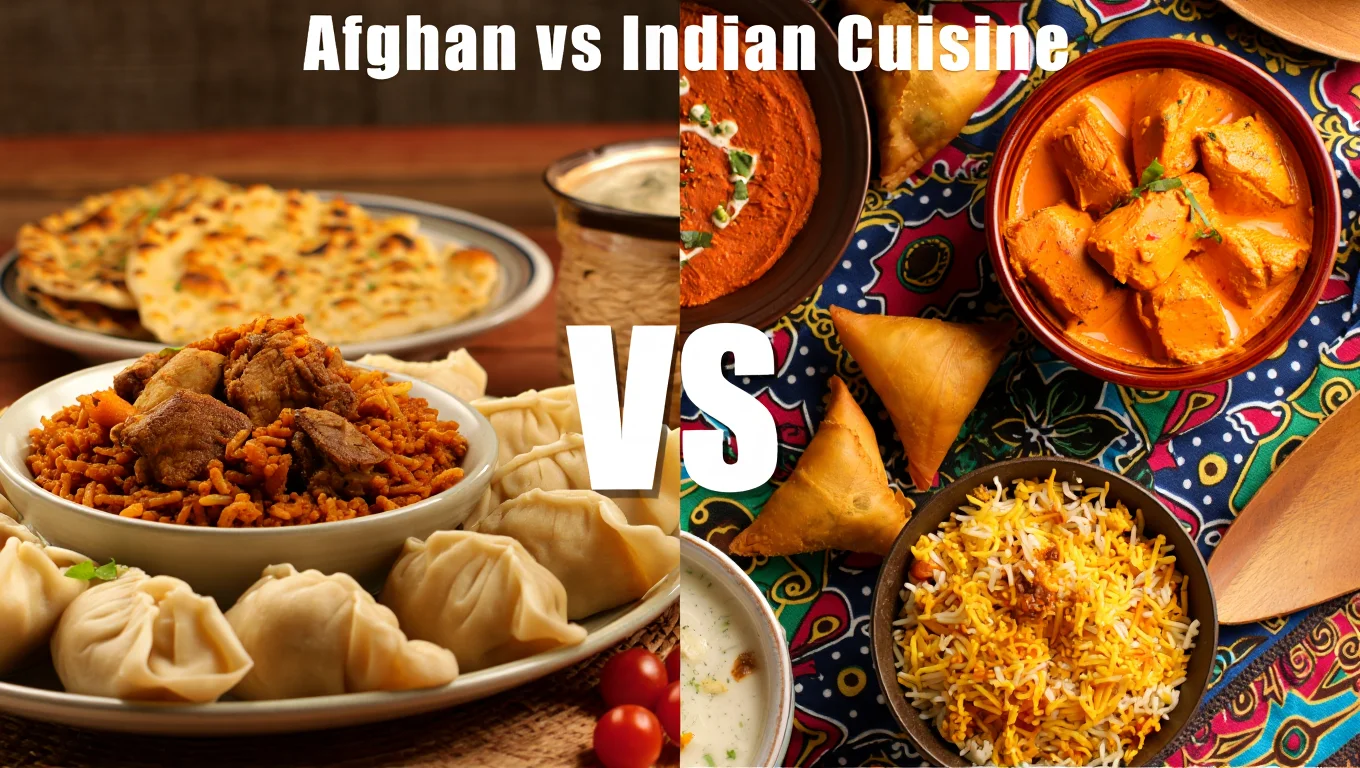
This Afghan cuisine vs indian cuisine comparison shows that while both cuisines share some ingredients like rice and meat, their approach to cooking and flavor is quite distinct.
Afghan Food vs Indian Food Taste Comparison
One of the main points in the afghan vs indian food taste comparison is the intensity of flavors.
- Afghan Food:
- Tends to use fewer spices.
- Focuses on the natural flavor of meat and grains.
- Common dishes are lightly seasoned with herbs like cilantro, mint, and dill.
- Meals are hearty but not overwhelming.
- Indian Food:
- Uses a variety of spices in one dish.
- Flavors can be hot, tangy, sweet, and savory all at once.
- Dishes are layered with spices, often including turmeric, cumin, coriander, and chili.
- Meals are flavorful and aromatic, appealing to those who love bold tastes.
Ingredients and Spices: What Sets Them Apart?
Afghan Ingredients and Spices
Afghan food emphasizes quality ingredients with simple preparation:
- Meats: Lamb, beef, chicken
- Grains: Rice, wheat, bulgur
- Vegetables: Spinach, carrots, onions, tomatoes
- Herbs & Spices: Saffron, coriander, black pepper, mint, dill
- Dairy: Yogurt and mild cheeses
Indian Ingredients and Spices
Indian cuisine relies heavily on a variety of spices, often blended to create complex flavors:
- Meats & Vegetarian Options: Chicken, lamb, fish, paneer, lentils
- Grains: Rice, wheat, millet
- Vegetables & Legumes: Potatoes, spinach, chickpeas, beans
- Spices: Turmeric, cumin, coriander, chili powder, garam masala, mustard seeds
- Dairy: Ghee, yogurt, paneer
The difference in spice usage is a major factor in the afghan food vs indian food differences.
Traditional Afghan Dishes vs Indian Dishes
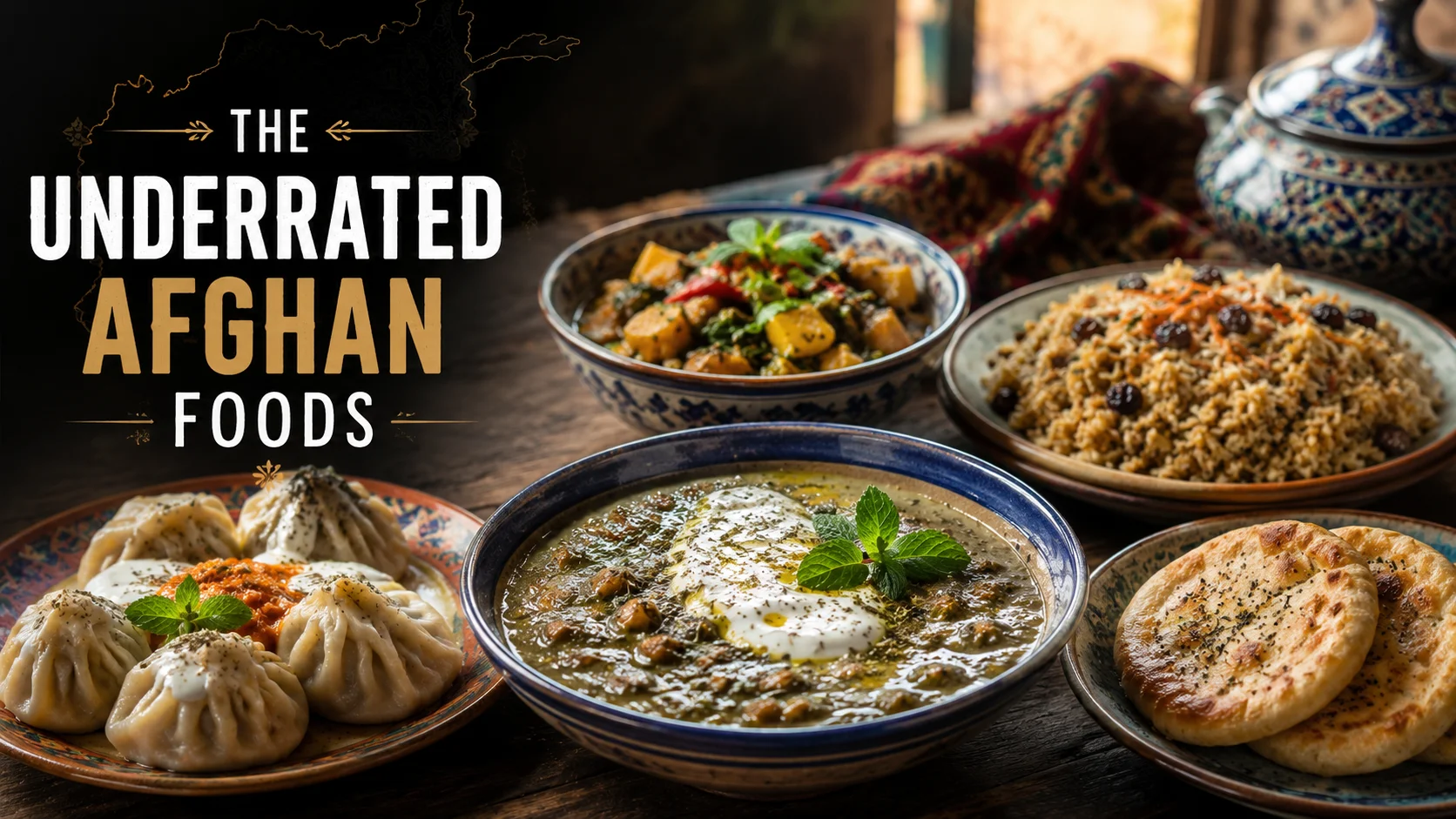
Traditional Afghan Dishes
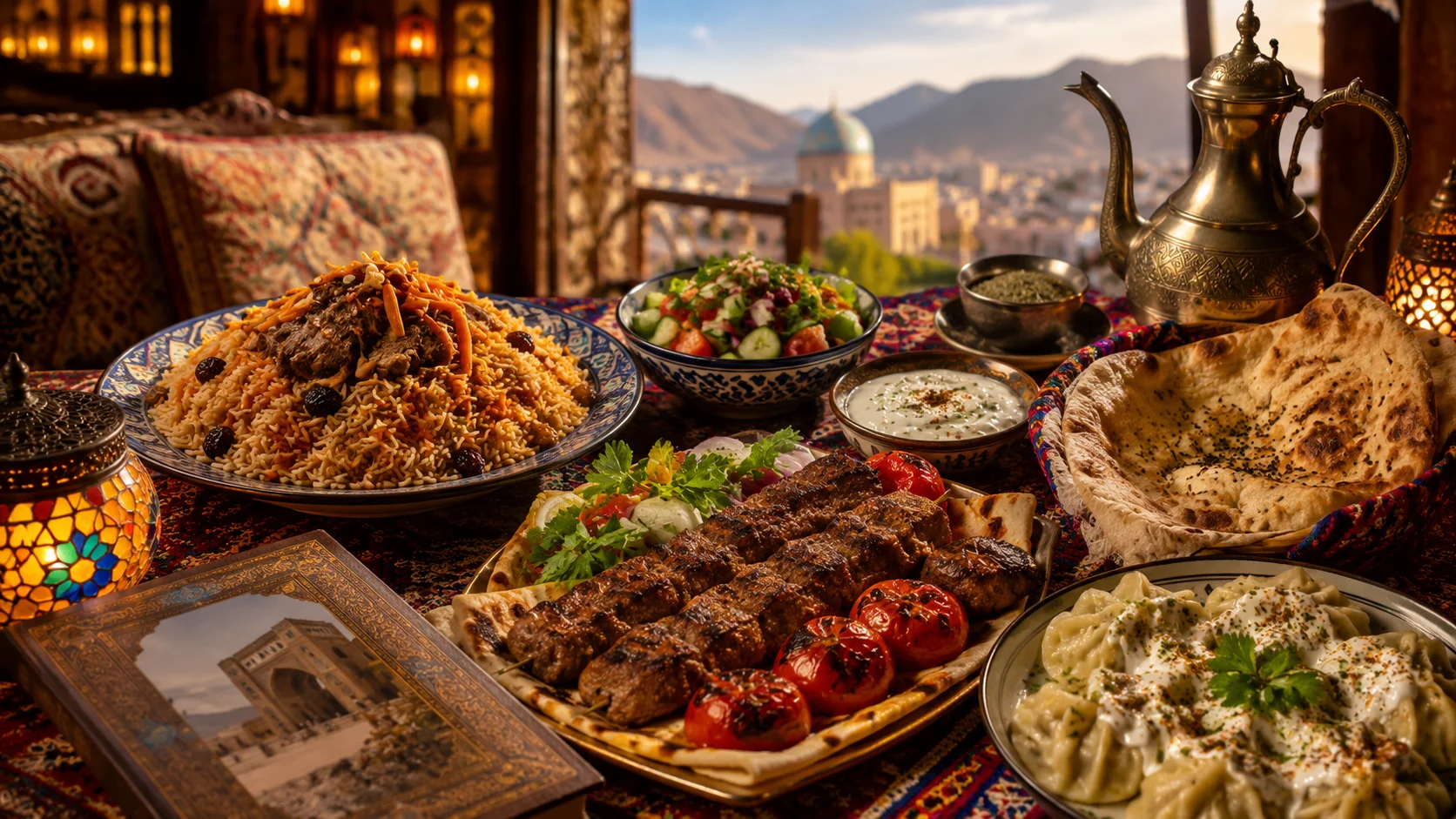
Afghan meals often revolve around rice and meat, with simple yet hearty preparations:
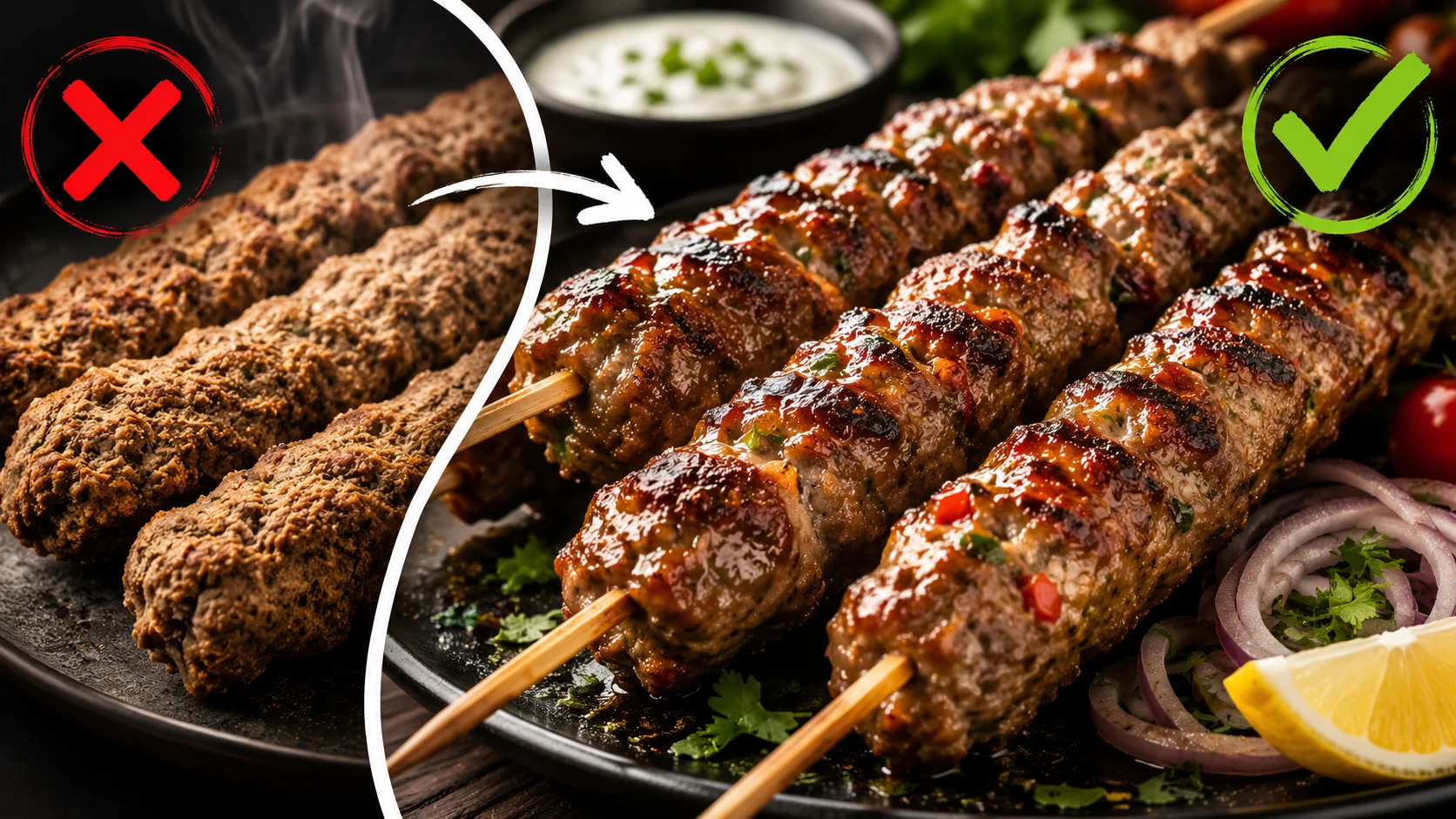
- Kabob: Grilled skewered meat, usually served with rice or bread.
- Qabuli Palaw: Afghanistan’s national dish made with lamb, carrots, raisins, and rice.
- Mantu: Steamed dumplings filled with meat and onions.
- Ashak: Dumplings stuffed with leeks, often served with yogurt and garlic sauce.
- Bolani: Flatbread stuffed with potatoes, spinach, or pumpkin.
Traditional Indian Dishes
Indian cuisine is diverse, ranging from vegetarian dishes to rich meat curries:
- Biryani: Spiced rice with meat or vegetables.
- Butter Chicken: Creamy tomato-based chicken curry.
- Samosa: Deep-fried pastry filled with spiced potatoes or meat.
- Dosa: Fermented rice and lentil crepes, often served with chutney.
- Paneer Dishes: Paneer tikka, palak paneer, etc.
By comparing traditional afghan dishes vs indian dishes, it becomes clear that Afghan dishes prioritize subtle, comforting flavors, while Indian dishes focus on strong, complex taste combinations.
Cooking Techniques: Simplicity vs Complexity
Afghan cooking techniques often include:
- Grilling (kabobs)
- Slow-cooking (stews and rice dishes)
- Steaming (mantu and ashak)
Indian cooking techniques include:
- Tandoor cooking (clay oven)
- Frying and sautéing
- Layered cooking with multiple spice blends
The simplicity of Afghan cooking allows the ingredients to shine, whereas Indian cooking creates bold and aromatic experiences.
Cultural Influence on Cuisine
Afghan Cuisine:
- Meals are often served during family gatherings, weddings, and festivals.
- Hospitality is central; guests are treated with lavish rice and meat dishes.
- Influences from Persia, Central Asia, and the Middle East.
Indian Cuisine:
- Deeply regional, reflecting diverse cultures and religions.
- Festivals like Diwali and Eid inspire special dishes.
- Incorporates local vegetables, spices, and seasonal ingredients.
Afghan Food vs Indian Food: Summary
Here’s a quick recap of the afghan food vs indian food differences:
- Flavors: Afghan food is mild and subtle; Indian food is bold and complex.
- Spices: Afghan cuisine uses fewer spices; Indian cuisine uses a wide range of spices.
- Ingredients: Both use meats and grains, but Indian cuisine uses more legumes and dairy.
- Cooking Techniques: Afghan dishes are often grilled or slow-cooked; Indian dishes use frying, tandoor, and complex layering.
- Cultural Context: Afghan cuisine focuses on hospitality and simplicity; Indian cuisine reflects regional and festival diversity.
Both cuisines are delicious and unique in their own ways. For those who enjoy subtle, hearty flavors, Afghan cuisine is ideal. If you love spicy, aromatic, and layered flavors, Indian food will excite your palate.
At Afghan Kabob & Donair, we celebrate the richness of Afghan cuisine, inviting everyone to taste traditional dishes like Kabob, Qabuli Palaw, and Mantu.
FAQ About Afghan and Indian Cuisine
Q1: What is Afghan cuisine known for?
Afghan cuisine is known for its grilled meats, rice dishes, and the use of fresh herbs and mild spices.
Q2: Are Afghan and Indian dishes similar?
While both use rice and meat, Afghan dishes are milder, whereas Indian dishes are spicier and more complex.
Q3: Can I cook Afghan dishes at home easily?
Yes, Afghan recipes like Kabob, Qabuli Palaw, and Bolani are relatively simple and require fewer spices than Indian recipes.
Q4: Which cuisine is healthier?
Both cuisines have healthy options, but Afghan food tends to be lighter with fewer heavy spices and oils.
Final Verdict
In the debate of Afghan Food vs Indian Food, the answer depends on your taste preferences. Afghan cuisine emphasizes simplicity, natural flavors, and comforting meals. Indian cuisine highlights complex flavors, bold spices, and regional diversity. By understanding these afghan vs indian food taste comparison points, you can enjoy each cuisine for its unique qualities.
At Afghan Kabob & Donair, we encourage food lovers to explore the subtle elegance of Afghan cuisine while appreciating the rich complexity of Indian food.