
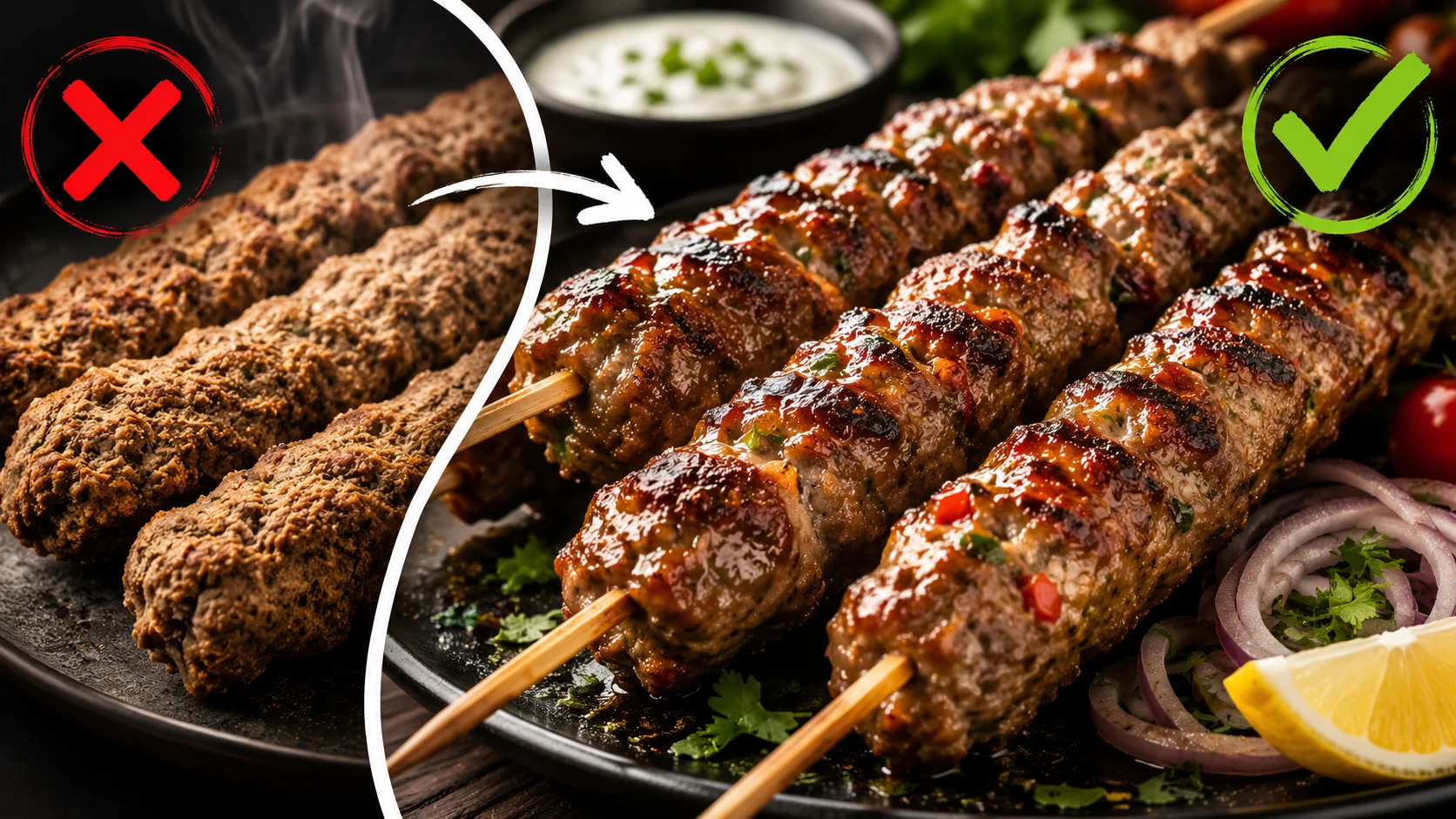
There is nothing more disappointing than biting into a kabob that crumbles apart or chews like cardboard. You spent time preparing the meat, fired up the grill, and everything smelled amazing. But the result? Dry, tough, and flavorless.
If this sounds familiar, you are not alone. Dry kabobs are one of the most common problems home cooks face. The good news is that it is almost always preventable. Knowing how to avoid dry kebabs comes down to understanding a few fundamental principles that experienced Afghan cooks have followed for generations.
At Afghan Kabob & Donair, these principles are not just cooking tips. They are a way of honoring tradition. In this article, we are breaking down the Afghan kabob secrets that make the difference between a dry, disappointing meal and a juicy, tender, unforgettable one. If you are new to Afghan cuisine, you may also want to explore the most iconic dishes this rich food culture has to offer.
Why Do Kabobs Dry Out?
Before fixing the problem, it helps to understand what causes it. There are several reasons why kabobs lose their moisture during cooking.
Overcooking is the number one culprit. Once the internal moisture in the meat evaporates, there is no getting it back. Even a minute or two too long on the grill can ruin everything.
Wrong meat selection is another major issue. Not all cuts of meat are suitable for kabobs. Lean cuts with little to no fat will always produce dry results, no matter how carefully you grill them.
Low fat content is directly tied to this. Fat is not just flavor. It is moisture. As the fat melts during cooking, it bastes the meat from the inside out, keeping it juicy and tender.
Incorrect grill temperature is also a frequent mistake. Cooking over heat that is too low causes the meat to sit on the grill too long and dry out slowly. Cooking over heat that is too high chars the outside before the inside is fully cooked.
Poor meat preparation, including overmixing, skipping seasoning, or grinding the meat too finely, all affect the final texture.
Common beginner mistakes include:
- Using only lean ground beef with no added fat
- Skipping marination entirely
- Compressing the meat too tightly onto skewers
- Opening the grill too frequently during cooking
The Best Meat for Afghan Kabobs
Choosing the right meat is the foundation of every great kabob. This is one of the most important Afghan kabob cooking tips you will ever learn.
In traditional Afghan cooking, lamb is the meat of choice for most kabob styles. Lamb naturally contains more fat than beef, which means it stays moist during grilling. The fat also adds a rich, deep flavor that is characteristic of authentic Afghan cuisine.
Beef is also widely used, especially in dishes like Kabob Koobideh (ground meat kabob). However, when using beef, the fat-to-meat ratio becomes critical. A mixture of around 70 to 80 percent lean beef and 20 to 30 percent fat is the sweet spot for juicy results. To learn more about getting the most out of beef on the grill, read our dedicated guide on moist beef kabobs.
For ground kabobs specifically, many Afghan cooks mix beef and lamb together. This combination balances the richness of lamb with the structure of beef, creating a kabob that holds its shape on the skewer while staying tender inside.
The best meat for Afghan kabobs is never the leanest option on the shelf. Look for:
- Ground beef with at least 20% fat content
- Bone-in lamb shoulder or leg cuts for skewered pieces
- A beef-lamb blend for ground kabob styles
Afghan Cooking Secrets for Juicy Kabobs
1. Choose Meat with the Right Fat Content
Fat is your best friend when it comes to keeping kabobs moist. When the fat renders during grilling, it keeps the meat lubricated from the inside. Without it, the heat simply pulls all the moisture out and leaves you with something dry and chewy.
If you are using store-bought ground beef, check the label. Anything labeled “extra lean” is going to work against you. Choose regular or medium ground beef instead.
2. Proper Meat Preparation
Afghan kabob preparation is deliberate and precise. For ground kabobs, the meat is typically ground twice for a smoother consistency. The onion is grated and its juice is often squeezed out before adding, so it flavors the meat without adding too much moisture that can cause the kabob to fall apart on the skewer.
Ingredients like grated onion, salt, black pepper, and sometimes a touch of turmeric are worked into the meat by hand. This is one of the Afghan kabob secrets passed down through families for generations. The seasoning is simple because the goal is to enhance the natural flavor of the meat, not mask it.
3. Do Not Overwork the Meat
This is where many home cooks go wrong. Mixing the meat mixture too aggressively or for too long breaks down the protein structure, resulting in a dense, rubbery texture that squeezes out moisture when cooked.
Mix just enough to combine the ingredients evenly. Then stop. The mixture should feel cohesive but not tight or sticky. A light, relaxed texture in the raw mixture translates to a tender, moist kabob on the plate.
4. Marinate the Right Way
For skewered meat cuts, marination is essential. A good Afghan marinade typically includes:
- Grated onion
- Salt and pepper
- A small amount of olive oil
- Fresh or dried herbs like coriander
- Sometimes a squeeze of lemon juice
Acid-based ingredients like lemon juice help break down the muscle fibers, making the meat more tender. Oil helps seal in moisture during cooking. Marinate for at least two hours, but overnight is even better for how to make tender kabobs.
Avoid marinating in acidic liquids for too long, though. More than 24 hours in a citrus-heavy marinade can actually start to break down the texture too much, making the meat mushy.
5. Control the Heat
Afghan grilling techniques rely heavily on understanding the fire. Traditional Afghan kabobs are cooked over charcoal, not gas. Charcoal provides a more consistent, even heat and adds a subtle smokiness that gas simply cannot replicate.
For charcoal grilling:
- Let the coals burn until they are fully gray before placing the skewers on the grill
- Keep the kabobs about 4 to 6 inches above the coals
- Rotate the skewers frequently and evenly to prevent one side from drying out
If you are using a gas grill, medium-high heat is generally the right range. Avoid maximum heat settings.
6. Avoid Overcooking
Afghan kabobs cook faster than most people expect. Ground meat kabobs are typically done in 8 to 12 minutes total, depending on thickness. Skewered meat pieces take slightly longer but should still be checked early.
The signs of a perfectly cooked kabob:
- Firm to the touch but with a slight give
- Juices run clear, not pink
- A light char on the outside without being blackened
- The meat releases naturally from the skewer without sticking
How to Keep Kabobs Moist During Cooking
Even with the right meat and preparation, there are a few extra steps that help lock in moisture during the actual cooking process.
Rest the meat before grilling. After shaping the kabobs onto skewers, let them rest in the refrigerator for 30 minutes. This helps them firm up and hold their shape, which also means less moisture is lost during grilling.
Use flat metal skewers. Flat skewers grip the meat better and allow for more even cooking. Round skewers let the meat spin freely, which can cause uneven heat exposure.
Baste with butter or oil. Lightly brushing kabobs with melted butter or oil during grilling helps prevent the exterior from drying out before the interior is fully cooked.
Resist the urge to press the meat. Pressing kabobs against the grill squeezes out the internal juices. Let them cook undisturbed between rotations.
Timing matters. For how to keep kabobs moist, the rule of thumb is to pull them off the heat just before you think they are done. Carryover cooking will finish the job.
Common Mistakes That Cause Dry Kabobs
Here is a quick summary of what to avoid if you want to prevent dry kabobs:
- Using only lean meat. No fat means no moisture retention.
- Cooking over high heat for too long. This burns the outside while overcooking the inside.
- Skipping marination for cut meat. This leaves the meat without the protective moisture and flavor barrier it needs.
- Incorrect grill setup. Starting on cold or improperly prepared coals leads to uneven cooking.
- Overmixing ground meat. This creates a rubbery texture that dries out quickly.
- Not resting the meat after cooking. Cutting into kabobs immediately releases all the juices onto the plate instead of keeping them in the meat.
Authentic Afghan Kabob Tips from Experienced Chefs
What makes Afghan kabobs stand out is the combination of simplicity and precision. There are no complicated sauces or dozens of spices. The flavor comes from quality meat, proper fat content, and cooking technique.
Some authentic Afghan kabob tips worth following:
- Season generously but simply. Salt, black pepper, and grated onion are the core. Additional spices like coriander or cumin are used sparingly.
- Always use fresh meat. Frozen and thawed meat releases more water during cooking, which can lead to drier results.
- Respect the fire. In traditional Afghan cooking, the cook watches the fire the entire time. Constant attention and frequent rotation are part of the process.
- Cook in batches. Overcrowding the grill drops the temperature and leads to steaming rather than grilling. Give each skewer space.
- Trust your hands. Afghan cooks often judge doneness by feel, not timers. Learn what properly cooked kabob feels like to the touch.
At Afghan Kabob & Donair, these traditions are practiced daily. Every kabob that comes off the grill reflects years of experience rooted in Afghan family cooking heritage. From the Afghan Beef Kabob to lamb platters, each dish is prepared with the same care and tradition.
Homemade Afghan Kabobs: Step-by-Step Guide
Juicy Afghan Kebab Recipe
Ingredients (serves 4):
- 500g ground beef (20-30% fat) or a beef-lamb blend
- 1 medium onion, grated and excess juice squeezed out
- 1 teaspoon salt
- 1/2 teaspoon black pepper
- 1/4 teaspoon turmeric
- 1 tablespoon olive oil (for basting)
Preparation:
- Combine the ground meat, grated onion, salt, pepper, and turmeric in a bowl.
- Mix gently by hand until just combined. Do not overmix.
- Cover and refrigerate for at least 30 minutes.
- Divide the meat into equal portions (about 100-120g each).
- Press each portion firmly onto a flat metal skewer, shaping it into a long, even log about 2 cm thick.
- Place on a tray and refrigerate for another 15 to 20 minutes before grilling.
Grilling Instructions:
- Prepare charcoal until fully ashed over, or preheat a gas grill to medium-high.
- Place skewers on the grill about 5 inches above the heat source.
- Rotate every 2 to 3 minutes.
- Baste lightly with olive oil or melted butter during cooking.
- Cook for a total of 10 to 12 minutes, or until juices run clear.
- Remove from heat and rest for 3 to 5 minutes before serving.
Serving Suggestions:
- Serve with warm Afghan naan or flatbread
- Pair with grilled tomatoes and peppers
- Add a side of fresh onion slices and cilantro
- A squeeze of lemon juice over the top brings everything together
Why Afghan Kabob & Donair Stands Out
Afghan Kabob & Donair is built on a commitment to keeping these traditions alive. Every kabob served is made using authentic Afghan recipes that have been refined over generations.
What sets the restaurant apart:
- Authentic methods. No shortcuts. The meat is prepared using traditional Afghan techniques that prioritize texture and flavor.
- Quality ingredients. Only fresh meat with the right fat content is used. This is non-negotiable.
- Proper fat ratios. Every blend is calibrated to ensure the kabobs stay juicy from the grill to the plate.
- Experienced preparation. The team understands that great kabobs start long before the grill is even lit.
Whether you are dining in or drawing inspiration for your own kitchen, Afghan Kabob & Donair is a reliable source for understanding what authentic, well-made Afghan kabobs should taste like.
Expert Checklist: How to Avoid Dry Kebabs
Save this for your next cook:
- Use meat with at least 20% fat content
- Marinate skewered cuts for a minimum of 2 hours
- Avoid overmixing ground meat
- Let charcoal ash over fully before grilling
- Maintain medium-high heat and rotate skewers frequently
- Pull kabobs off heat just before they look done
- Always rest kabobs for 3 to 5 minutes before serving
Frequently Asked Questions
Why do my kabobs always turn out dry?
The most common reasons are using meat that is too lean, overcooking, or not marinating the meat. Fat content is the biggest factor. Ground meat with less than 15% fat will almost always result in dry kabobs. Also, cooking over excessive heat for too long removes all internal moisture.
How can I make tender kabobs at home?
Start with the right meat blend (beef-lamb or higher-fat beef), mix gently, marinate for at least two hours, and cook over medium-high heat with frequent rotation. Resting the kabobs after grilling is also essential for keeping the juices inside the meat.
What is the best meat for Afghan kabobs?
Lamb is the traditional choice and naturally stays moist because of its fat content. For ground kabobs, a mix of beef and lamb works very well. If using only beef, go with regular or medium ground beef with around 20 to 30% fat content.
How do restaurants keep kabobs juicy?
Restaurants like Afghan Kabob & Donair use meat with the correct fat ratio, prepare it using traditional Afghan techniques, cook at the right temperature, and serve immediately after resting. They also use flat skewers for even heat distribution and baste during cooking.
How long should Afghan kabobs be grilled?
Ground meat kabobs typically take 10 to 12 minutes over medium-high heat, rotating every 2 to 3 minutes. Skewered cut meat pieces may take 12 to 15 minutes depending on thickness. Always check that juices run clear before removing from the grill.
Conclusion
Dry kabobs are not a mystery. They are the result of specific, preventable mistakes. By choosing meat with enough fat, preparing it carefully, avoiding overmixing, marinating properly, and controlling your grill temperature, you can produce kabobs that are consistently juicy and tender.
These are not just general cooking tips. They are Afghan kabob cooking tips rooted in a rich culinary tradition that values simplicity, quality, and technique above everything else. Knowing how to avoid dry kebabs means understanding that great kabobs are built on decisions made long before the fire is lit.
Apply these lessons at home and you will notice the difference immediately. And when you want to experience the real thing made by people who have been doing this for generations, Afghan Kabob & Donair is where authentic Afghan flavor lives.


