
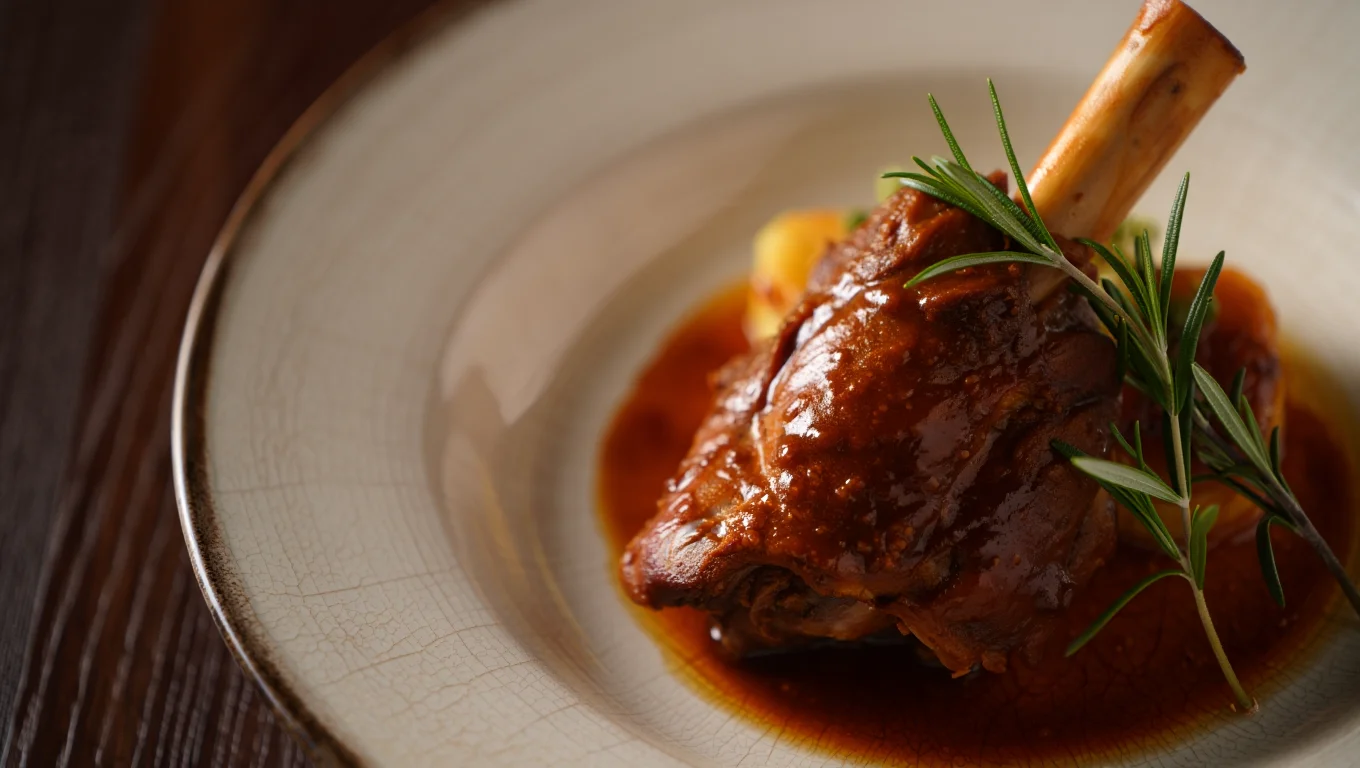
What Is Lamb Shank?
If you have ever wondered what lamb shank is, you are not alone. It is one of those cuts of meat that sounds fancy but is actually quite simple to understand once you know where it comes from and how it is used.
Lamb shank is the lower portion of a lamb’s leg, specifically the section just below the knee joint. It is a hard-working muscle that the animal uses constantly, which means it is packed with connective tissue, collagen, and rich flavor. Because of all this connective tissue, it requires a long, slow cooking process to become tender. But when cooked correctly, the reward is extraordinary. The meat becomes so soft and juicy that it literally slides right off the bone.
Lamb shank is not just popular in one part of the world, but within Afghan cuisine — one of Central Asia’s richest and most flavorful food traditions — it holds a place of special honor at the table.
What Part of the Lamb Does the Shank Come From?
The lamb shank comes from the lower leg of the animal. There are two types: the foreshank, from the front legs, and the hind shank, from the back legs. The hind shank is generally larger and meatier, making it the more popular choice in restaurants and home kitchens alike.
This cut is surrounded by a thick layer of connective tissue and sits close to the bone. Unlike tender cuts such as the loin or rack, the shank needs time and moisture to break down properly. That is what makes slow cooking such a perfect match for it.
Why Is Lamb Shank So Valued?
Lamb shank has a deep, bold, and slightly gamey flavor that is richer than most other cuts. The bone runs through the center of the cut, and as it cooks, the marrow inside adds an extra layer of depth and richness to whatever sauce or broth surrounds it.
Here is why cooks and food lovers prize lamb shank so highly:
- It becomes fall-off-the-bone tender when slow cooked
- The collagen melts into the cooking liquid, creating a thick, silky sauce
- It absorbs spices and aromatics beautifully
- It is a generous, impressive cut that serves well for special occasions
- It is often more affordable than premium cuts like rack of lamb
In Afghan cuisine, these qualities make lamb shank a true centerpiece of celebratory meals and family gatherings.
Is Lamb Shank Popular in Afghanistan?
Yes, lamb shank is extremely popular in Afghanistan. Lamb is the most widely consumed meat in the country, and it holds a central place in Afghan food culture. Whether it is a Friday family lunch, a wedding feast, or an Eid celebration, lamb dishes are almost always on the table.
Afghans have a deep appreciation for slow-cooked, bone-in lamb because the cooking method draws out maximum flavor. The lamb shank fits perfectly into this culinary tradition. It is the kind of cut that rewards patience, and Afghan cooks are known for taking their time to prepare food with care and intention.
At Afghan Kabob & Donair, lamb shank dishes remain among the most requested items on the menu, loved by regular customers and first-time visitors alike.
What Is Afghan Lamb Shank Called?
In Dari, one of the two official languages of Afghanistan, lamb shank is commonly referred to as “Lahm-e-Bacha” or simply called “Dast o Pa”, which loosely translates to “leg and arm” of the lamb. In everyday Afghan conversation, it is often just called “ran-e-gosfand” (leg of sheep) or referred to by the name of the dish it is part of, such as Lawang or Chopan Kabob.
The most well-known traditional Afghan lamb shank dish is Lawang, a slow-braised lamb preparation made with yogurt and aromatic spices. Another popular preparation is Shorwa, a hearty lamb shank soup or stew that is deeply comforting and widely eaten across all Afghan provinces.
Traditional Afghan Lamb Shank Dishes
Afghan cuisine uses lamb shank in several iconic ways. Here are the most beloved traditional dishes:
1. Lawang (Afghan Lamb in Yogurt Sauce)
Lawang is perhaps the most famous traditional Afghan lamb shank dish. The lamb is slow-cooked in a creamy yogurt-based sauce with garlic, turmeric, and other warm spices. The yogurt tenderizes the meat and creates a luscious, tangy gravy that pairs beautifully with Afghan flatbread or rice.
2. Shorwa (Afghan Lamb Shank Stew)
Shorwa is a soul-warming stew made by simmering lamb shank for several hours with tomatoes, onions, chickpeas, and fragrant spices. It is a humble, nourishing dish enjoyed across Afghan households. The broth from the slow-cooked bone makes this stew deeply flavorful.
3. Mantu and Lamb Shank Combination
While Mantu (Afghan dumplings) is its own dish, lamb shank braising liquid and meat is sometimes used as a topping alongside yogurt and tomato sauce. It adds richness and protein to this already beloved dish.
4. Chopan Kabob Style Shank
In northern Afghanistan and among nomadic communities, lamb shank is sometimes prepared over open fire in a slow roasting method similar to the Chopan style. The exterior chars slightly while the interior stays moist and tender.
How Is Lamb Shank Cooked in Afghanistan?
Afghan cooking methods for lamb shank revolve around one core principle: low heat, long time, and plenty of aromatics.
Braising
Braising is the most common method used in Afghan homes and restaurants. The shank is first browned in oil to develop a crust, then submerged in a flavorful liquid made with onions, tomatoes, yogurt, or stock. It is covered and left to cook slowly for two to three hours until the meat falls off the bone.
Slow Simmering (Stewing)
In dishes like Shorwa, the lamb shank is added directly to a pot of water with spices and vegetables and simmered for several hours. This extracts flavor from both the bone and the meat, creating a broth that is rich and intensely savory.
Tandoor and Open Flame Cooking
In rural areas and at traditional gatherings, lamb shank may be cooked in a clay tandoor oven or over an open wood fire. This method imparts a smoky, slightly charred flavor that is distinct and deeply satisfying.
Oven Roasting
A more modern method used in Afghan restaurants, including at Afghan Kabob & Donair, involves slow-roasting the marinated lamb shank in an oven at a low temperature for several hours. This produces consistently tender, juicy results with a beautiful caramelized exterior.
Best Spices for Afghan Lamb Shank
The spice blend is what truly separates Afghan lamb shank from other preparations around the world. Afghan cooking is aromatic without being overpowering. The spices complement the natural richness of the lamb rather than masking it.
Here are the best spices and ingredients used in Afghan lamb shank:
- Turmeric – Adds a warm golden color and earthy depth
- Cumin – Provides a nutty, slightly smoky undertone
- Coriander – Bright and citrusy, it lifts the richness of the lamb
- Cardamom – A signature Afghan spice that adds warmth and floral notes
- Cinnamon – Used sparingly to add subtle sweetness
- Black pepper – For heat and sharpness
- Garlic – Essential in almost every Afghan lamb preparation
- Fresh ginger – Adds brightness and helps tenderize the meat
- Dried lemon (Noomi Basra) – Adds a tangy, sour note common in Afghan and Persian cooking
- Yogurt – Often used as a marinade and braising base; it tenderizes the meat naturally
- Saffron – Used for special occasion dishes to add a luxurious aroma and golden hue
- Tomatoes and onions – The base of most Afghan lamb braising liquids
The combination of warm, earthy spices with tangy yogurt and slow heat creates a flavor profile that is truly unlike anything else.
Simple Afghan Lamb Shank Recipe Overview
Here is a straightforward overview of how to prepare a classic Afghan-style braised lamb shank at home.
Ingredients (Serves 2):
- 2 lamb shanks
- 1 large onion, finely chopped
- 4 garlic cloves, minced
- 1 teaspoon turmeric
- 1 teaspoon cumin
- 1 teaspoon coriander powder
- 1/2 teaspoon cardamom
- Salt and black pepper to taste
- 2 tablespoons oil
- 1 cup plain yogurt
- 1 cup lamb or chicken stock
- 2 medium tomatoes, chopped
- Fresh cilantro for garnish
Steps:
Step 1 – Marinate: Rub the lamb shanks with yogurt, garlic, turmeric, cumin, coriander, cardamom, salt, and pepper. Leave to marinate for at least two hours, or overnight in the fridge for deeper flavor.
Step 2 – Brown the Meat: Heat oil in a heavy-bottomed pot over medium-high heat. Sear the lamb shanks on all sides until they are golden brown. Remove and set aside.
Step 3 – Build the Base: In the same pot, cook the onions until soft and golden. Add the garlic and tomatoes and cook for another five minutes.
Step 4 – Braise: Return the shanks to the pot. Pour in the stock and any remaining marinade. Bring to a gentle simmer, then cover and reduce the heat to low.
Step 5 – Slow Cook: Let the lamb cook covered for 2.5 to 3 hours, turning the shanks occasionally. The meat should be completely tender and starting to fall away from the bone.
Step 6 – Serve: Garnish with fresh cilantro and serve over Afghan-style white rice (Challaw) or with warm flatbread (Naan).
Cooking Tips for Perfect Afghan Lamb Shank
Getting lamb shank right the first time is easy when you follow a few key tips:
- Do not rush the cooking process. Low and slow is the only way to get genuinely tender results.
- Always brown the meat first. This step adds color and flavor that you simply cannot skip.
- Use bone-in shanks. The marrow and bone add immense richness to the braising liquid.
- Marinate overnight if possible. The yogurt and spices need time to penetrate the meat deeply.
- Add a small piece of cinnamon stick to the pot for an authentic Afghan aroma.
- Taste and adjust seasoning toward the end of cooking, as the flavors concentrate as the liquid reduces.
Serving Suggestions
Afghan lamb shank is most traditionally served with:
- Kabuli rice (Challaw) – Afghan lamb shank is most traditionally served with Kabuli rice (Challaw) — a fragrant, perfectly steamed basmati rice cooked with cumin, carrots, and raisins.
- Afghan Naan – thick, soft flatbread straight from the tandoor
- Borani Banjan – a roasted eggplant dish with yogurt that balances the richness of the lamb
- Fresh salad with tomatoes, cucumbers, and a squeeze of lemon
- Chutney made with coriander and chili for a bright, spicy contrast
At Afghan Kabob & Donair, the lamb shank is served with all the traditional accompaniments so that every dish delivers an authentic Afghan dining experience from the very first bite.
Final Thoughts
So, what is lamb shank in Afghan cuisine? It is far more than just a cut of meat. It is a symbol of hospitality, celebration, and culinary mastery passed down through generations. From the slow-braised Lawang of Kabul kitchens to the smoky tandoor shanks of the Afghan countryside, this cut brings people together around the table.
The combination of patient slow cooking, bold aromatic spices, and the natural richness of bone-in lamb creates something truly memorable. Whether you are trying Afghan food for the first time or you grew up eating it every weekend, a well-prepared Afghan lamb shank is one of those dishes that stays with you long after the meal is finished.
If you want to experience authentic Afghan lamb shank without cooking it yourself, visit Afghan Kabob & Donair and taste exactly what this incredible culinary tradition is all about.


