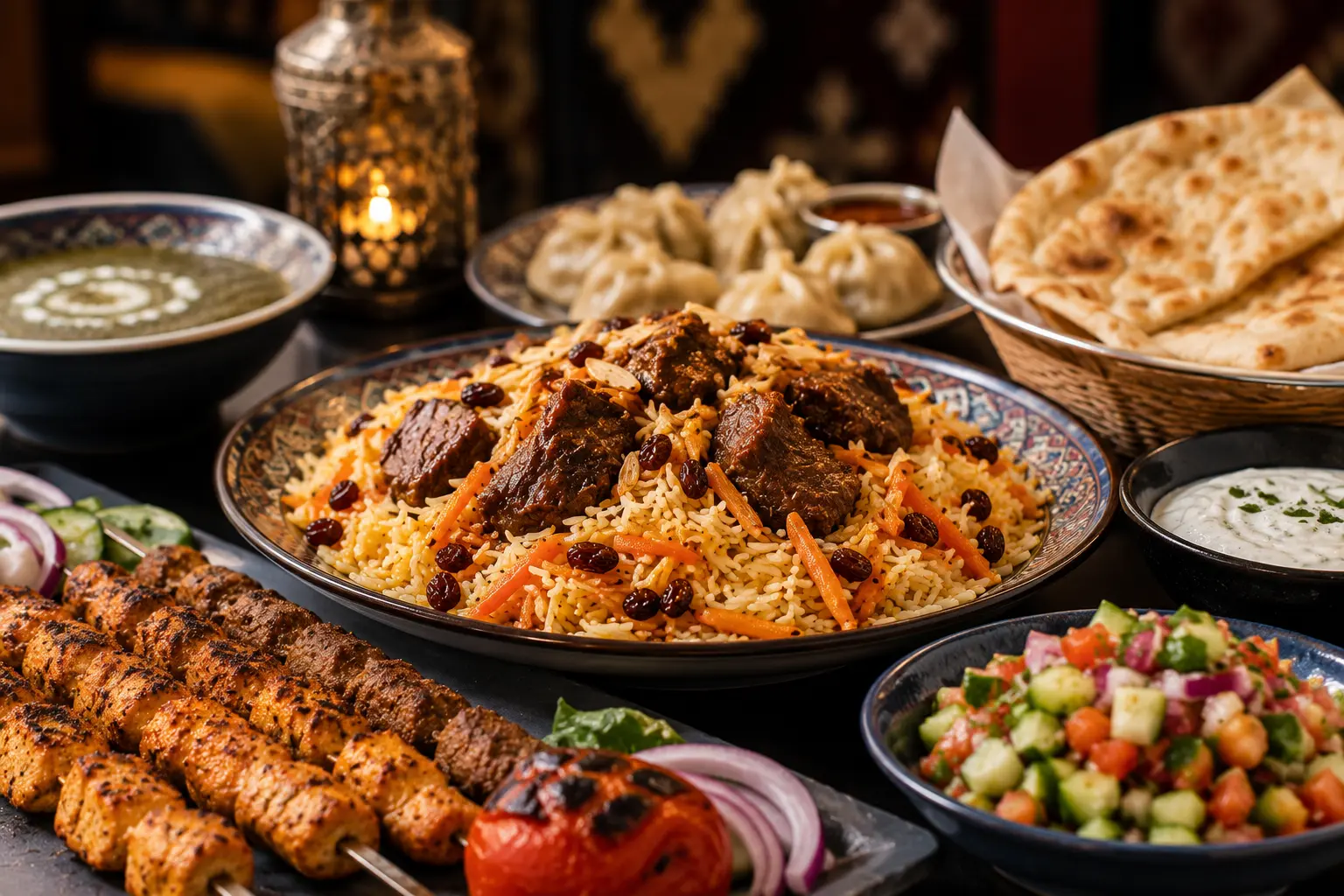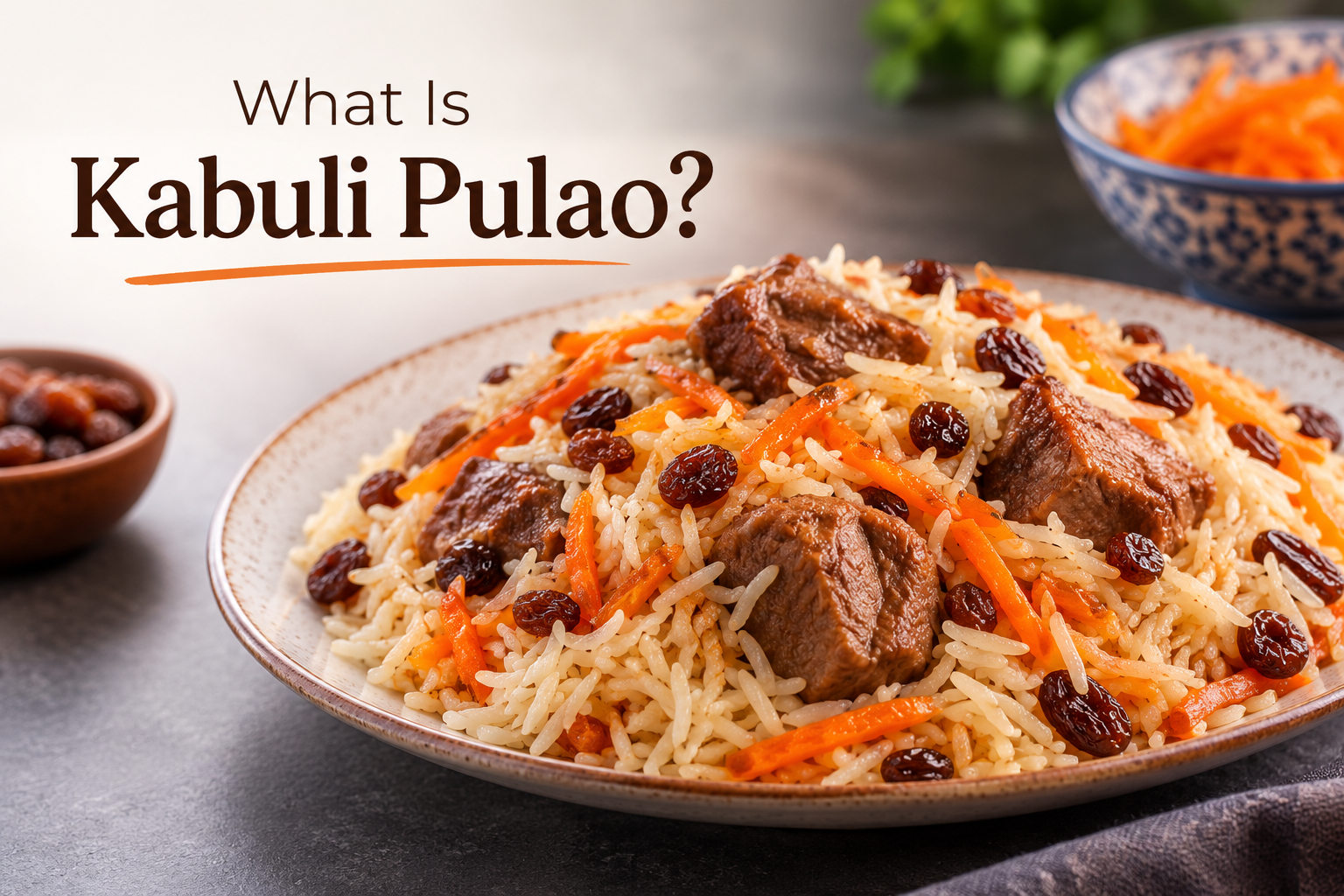
If you have ever looked at a plate piled high with golden rice, sweet caramelized carrots, and plump raisins sitting next to tender meat, you have probably seen Kabuli pulao. So what is Kabuli pulao exactly? It is the national dish of Afghanistan, a fragrant rice dish made with basmati rice, slow-cooked meat, and a topping of sweet carrots and raisins. It is more than just a meal. For many Afghan families, this dish represents home, celebration, and hospitality.
In this article, we will explain what Kabuli pulao is, where it comes from, what goes into it, what it tastes like, and how it is traditionally prepared. Whether you have never tried Afghan food before or you are simply curious about this well-loved dish, this guide will give you a clear picture of why Kabuli pulao holds such an important place in Afghan cuisine.
What Is Kabuli Pulao?
Kabuli pulao is a rice-based dish named after Kabul, the capital city of Afghanistan. It is often described as an Afghan rice dish that combines long-grain basmati rice with lamb or beef, cooked in a seasoned broth, and finished with a topping of julienned carrots, raisins, and sometimes almonds or pistachios. The rice takes on a light golden color from the meat broth and spices, and every bite carries a balance of savory and slightly sweet flavors.
This dish is often simply called Afghan pulao, and it is considered the most well-known and widely served dish in Afghan cooking. If someone asks what Afghan rice is, Kabuli pulao is usually the first answer people give, since it represents Afghan cuisine on a global scale.
The Origin and Cultural Importance of Kabuli Pulao
Kabuli pulao has roots that go back generations in Afghanistan. Rice dishes have long been part of Central and South Asian cooking traditions, and over time, Afghan cooks developed their own version using local ingredients like carrots, raisins, and warming spices. The dish takes its name from Kabul, reflecting how closely it is tied to the city and to Afghan identity as a whole.
Beyond its taste, Kabuli pulao carries deep cultural meaning. It is the dish most associated with special occasions such as weddings, Eid celebrations, and family gatherings. Serving Kabuli pulao to guests is a sign of respect and generosity in Afghan culture. Many Afghan families have their own version passed down through generations, with small differences in spice blends or cooking methods, yet the heart of the dish remains the same.
Main Ingredients in Kabuli Pulao
Understanding the ingredients helps explain why this dish has such a distinct flavor and texture. A traditional Kabuli pulao recipe typically includes the following.
Rice
Long grain basmati rice is the base of the dish. It is prized for its light, fluffy texture and its ability to absorb the flavor of the meat broth without becoming sticky or mushy.
Meat
Lamb is the most traditional choice, though beef and even chicken are commonly used today. The meat is usually cooked slowly until tender, and the broth left behind is used to flavor the rice.
Carrots
Carrots are cut into thin matchstick strips and lightly fried or caramelized. This step brings out their natural sweetness, which is one of the signature flavors of the dish.
Raisins
Golden raisins are added along with the carrots. As they cook, they plump up and add small bursts of sweetness that balance the savory rice and meat.
Spices
A blend of whole and ground spices gives Kabuli pulao its warmth and depth. Common spices include cumin, cardamom, cinnamon, and black pepper. Some cooks also add a small amount of sugar to enhance the caramelized topping.
Optional Additions
Many versions include slivered almonds or pistachios sprinkled on top for crunch, along with a touch of oil or ghee for richness.
What Does Kabuli Pulao Taste Like?
Kabuli pulao offers a unique combination of flavors in every bite. The rice itself is savory and lightly spiced, carrying the taste of the meat broth it was cooked in. The caramelized carrots and raisins on top add a gentle sweetness that contrasts nicely with the savory base. The meat is tender and well-seasoned, often falling apart easily after slow cooking.
Overall, the dish is warm, aromatic, and comforting rather than spicy or overpowering. It is a good introduction for anyone new to Afghan food, since the flavors are balanced and approachable rather than intense.
How Traditional Kabuli Pulao Is Made
While recipes vary slightly between families, the basic method for preparing Kabuli pulao generally follows these steps.
Step 1: Cook the Meat
The meat, usually lamb, is browned with onions and then simmered with water and spices until it becomes tender. This process can take one to two hours, depending on the cut of meat used. The broth created during this step becomes the base for cooking the rice later.
Step 2: Prepare the Carrots and Raisins
While the meat cooks, the carrots are cut into thin strips and lightly fried in oil until softened and slightly caramelized. Raisins are added toward the end so they plump up without burning. A small amount of sugar is sometimes added at this stage to deepen the caramelization.
Step 3: Parboil the Rice
The basmati rice is rinsed well and partially boiled, usually for a few minutes, then drained. This step ensures the rice cooks evenly later without becoming mushy.
Step 4: Combine and Steam
The parboiled rice is layered over the meat and its broth in a large pot. The pot is covered tightly and left to steam on low heat until the rice is fully cooked and has absorbed the remaining liquid and flavor.
Step 5: Assemble and Serve
Once the rice is fully cooked, it is transferred to a serving platter with the meat placed on top or alongside. The caramelized carrots and raisins are spread over the rice, and almonds or pistachios may be added for garnish before serving.
How Kabuli Pulao Differs From Ordinary Rice Dishes
Many people wonder what sets Kabuli pulao apart from other rice dishes they may have tried. The main differences come down to a few key points.
- The rice is cooked in meat broth rather than plain water, giving it deep, savory flavor throughout.
- The combination of sweet caramelized carrots and raisins is not commonly found in everyday rice dishes.
- The meat is cooked separately and slowly, resulting in a tender texture that blends well with the rice rather than being an afterthought.
- The spice blend is specific to Afghan cooking, giving the dish a distinct aromatic quality compared to more simply seasoned rice dishes.
These details are what make Kabuli pulao a standout dish rather than a basic rice side.
When Is Kabuli Pulao Commonly Served?
Kabuli pulao is often reserved for special occasions in Afghan culture, though it is also enjoyed as a regular meal in many households and restaurants. It is a common centerpiece at weddings, Eid celebrations, and large family gatherings, where feeding guests generously is an important tradition. It also appears frequently on the menus of Afghan restaurants, since it represents the cuisine so well and appeals to a wide range of tastes.
Why Kabuli Pulao Is Popular Among Fans of Afghan Cuisine
People who enjoy Afghan food often name Kabuli pulao as one of their favorite dishes for several reasons. It offers a satisfying balance of textures, from fluffy rice to tender meat to slightly chewy raisins and crisp nuts. The flavor profile is comforting and easy to enjoy, even for those trying Afghan cuisine for the first time. It also reflects the hospitality that is central to Afghan culture, since the dish is traditionally made to share with family and guests rather than eaten alone.
For newcomers to Afghan food, Kabuli pulao is usually recommended as a starting point, since it captures the essence of the cuisine in one dish.
Where to Enjoy Authentic Afghan Rice Dishes in Saskatoon
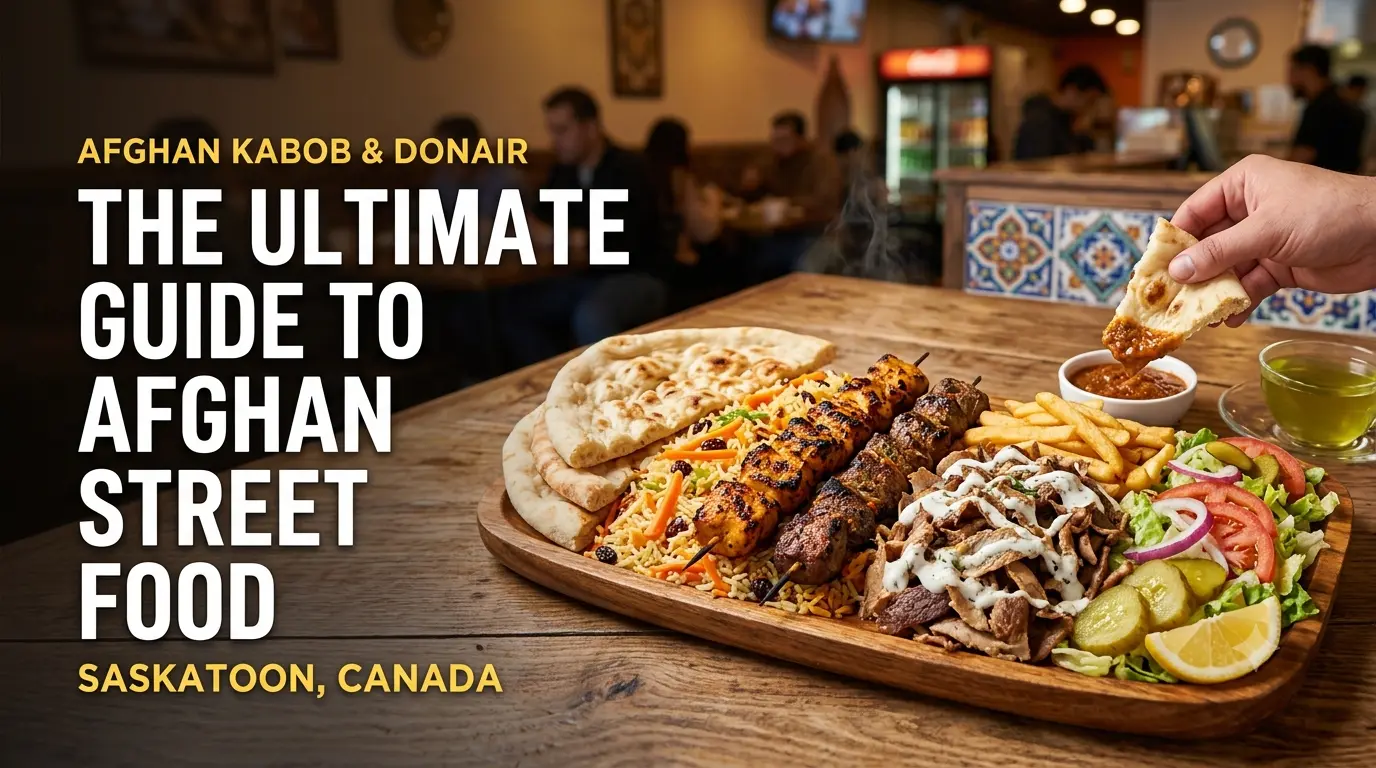
If you are in Saskatoon and want to try Kabuli pulao without cooking it yourself, there are local options worth exploring. Afghan Kabob & Donair serves Kabuli rice alongside kabobs, donair platters, and other traditional dishes, giving you a chance to taste this Afghan classic paired with other authentic flavors. You can browse their full menu to see how Kabuli rice is served alongside grilled meats and platters, or check out their catering options if you are planning a gathering and want to share this dish with a larger group, much like it is traditionally served in Afghan celebrations.
Frequently Asked Questions
What is Kabuli pulao made of? Kabuli pulao is made with basmati rice, lamb or beef, caramelized carrots, raisins, and a blend of spices such as cumin and cardamom. Nuts like almonds or pistachios are often added as a garnish.
Is Kabuli pulao spicy? No, Kabuli pulao is not typically spicy. It is warm and aromatic rather than hot, with a balance of savory and slightly sweet flavors from the caramelized carrots and raisins.
What is the difference between pulao and biryani? Pulao, including Kabuli pulao, is generally cooked with the rice and meat together in the same pot using a single broth, resulting in a milder, more uniform flavor. Biryani often involves layering rice and meat that are partially cooked separately with more distinct spice layers.
Can Kabuli pulao be made without meat? Yes, a vegetarian version can be made by omitting the meat and using a vegetable broth instead, though the traditional dish is made with lamb or beef.
Where can I try authentic Kabuli pulao? You can find authentic Kabuli rice at Afghan restaurants that specialize in traditional dishes. In Saskatoon, Afghan Kabob & Donair offers Kabuli rice as part of their menu.
Conclusion
Kabuli pulao is a rich, flavorful dish that tells a story about Afghan culture, hospitality, and tradition. From its fragrant basmati rice to its sweet caramelized carrots and raisins, every part of this dish is thoughtfully prepared to create a comforting and memorable meal. Whether you decide to make it at home or try it at a local restaurant, Kabuli pulao is a wonderful introduction to the wider world of Afghan cuisine.
If you are in Saskatoon and want to taste this dish for yourself, consider visiting Afghan Kabob & Donair to experience authentic Afghan rice dishes made with care and tradition.