Have you ever walked past an Afghan restaurant and wondered what is actually on the menu? You are not alone. Afghan cuisine is one of the world’s most flavorful and welcoming food traditions, yet many people have never had the chance to try it. That is quickly changing.
Afghan restaurants are growing in popularity across North America and beyond. More and more food lovers are discovering the rich aromas, comforting dishes, and generous hospitality that define the Afghan dining experience. Whether you are a curious foodie, a family looking for something new, or a traveler exploring different cultures through food, this Afghan restaurant guide will walk you through everything you need to know before your first visit.
Understanding Traditional Afghan Cuisine
Afghan cuisine sits at a fascinating crossroads of cultures. Afghanistan has been a meeting point of civilizations for centuries, and its food reflects that rich history. Traditional Afghan cuisine draws influences from Central Asia, the Middle East, South Asia, and even Persia, blending these traditions into something entirely its own.
What makes Afghan food stand out is its use of fresh, natural ingredients paired with a careful balance of spices. Unlike some cuisines that lean heavily on heat, Afghan cooking tends to be aromatic and flavorful without being overly spicy. Saffron, cardamom, coriander, cumin, and turmeric are common Afghan spices that add depth and warmth to dishes rather than heat.
Rice, flatbread, grilled meats, lentils, and slow-cooked stews form the backbone of traditional Afghan meals. Fresh herbs and vegetables play an important role too, making Afghan food not only delicious but also naturally nutritious.
What to Expect at an Afghan Restaurant
Walking into an Afghan restaurant for the first time, you will immediately notice the warmth. Afghan hospitality, known locally as “melmastia,” is a deeply rooted cultural value. Guests are treated with great respect and generosity. Do not be surprised if the service feels more personal and welcoming than what you might experience elsewhere.
The atmosphere in most Afghan restaurants is relaxed and family-friendly. You will often find rich colors, traditional decor, and the comforting smell of spiced rice and grilled meats filling the air.
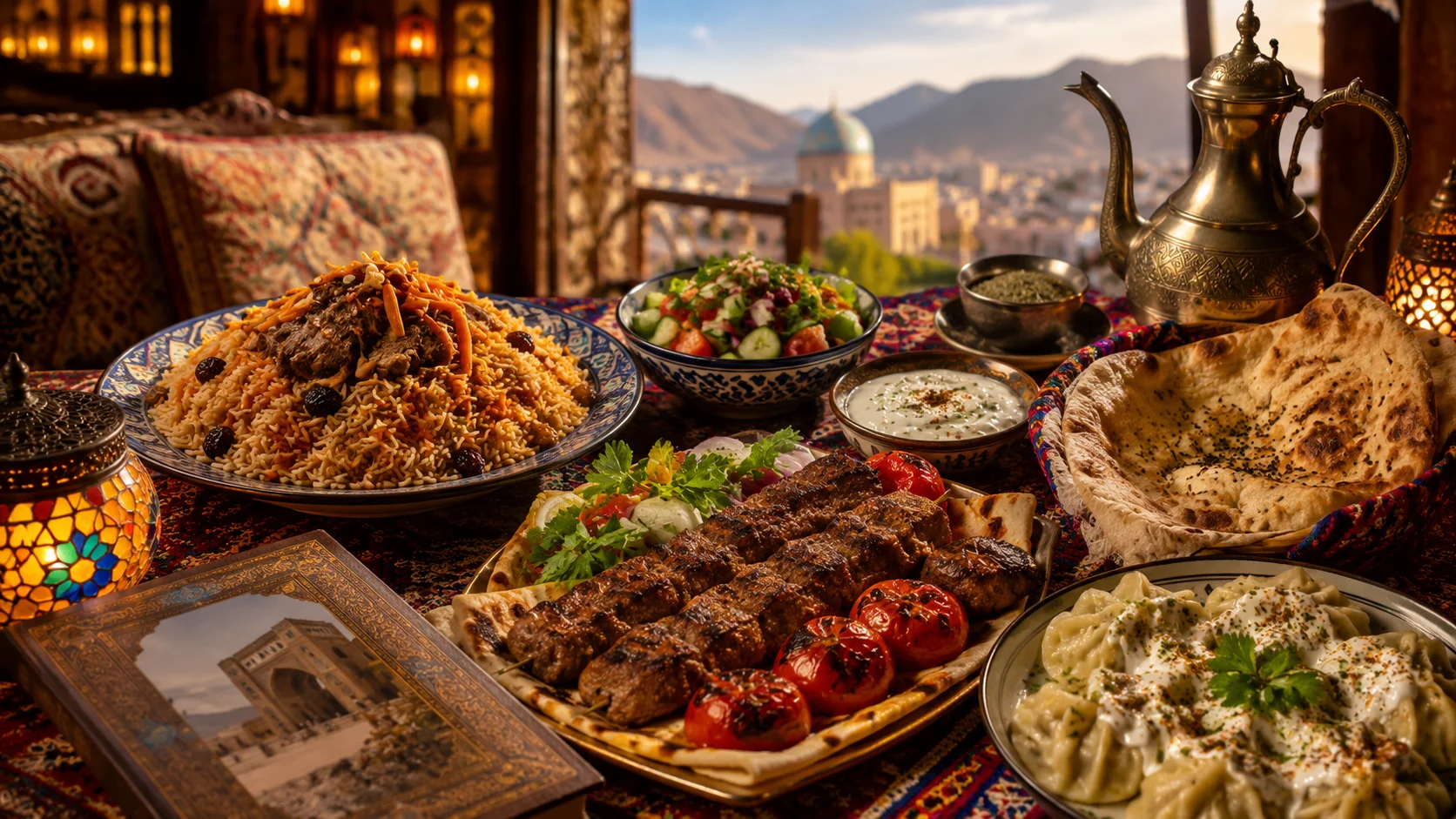
Menus at Afghan restaurants are usually varied, featuring appetizers, rice dishes, grilled meats, stews, breads, and desserts. Portions tend to be generous. Many dishes are prepared to be shared, making it easy for groups and families to enjoy a wide variety of flavors together.
Afghan dining often follows a family-style format. Dishes are placed at the center of the table and everyone helps themselves. This style of eating reflects the communal and social nature of Afghan food culture.
If you are visiting a place like Afghan Kabob and Donair, you can explore the full menu at Afghan Kabob and Donair and find an authentic dining experience that honors these traditions while being welcoming to first-time guests.
Popular Afghan Dishes Every Beginner Should Try
Not sure what to order? Here are the dishes you should have on your radar.
Kabuli Pulao
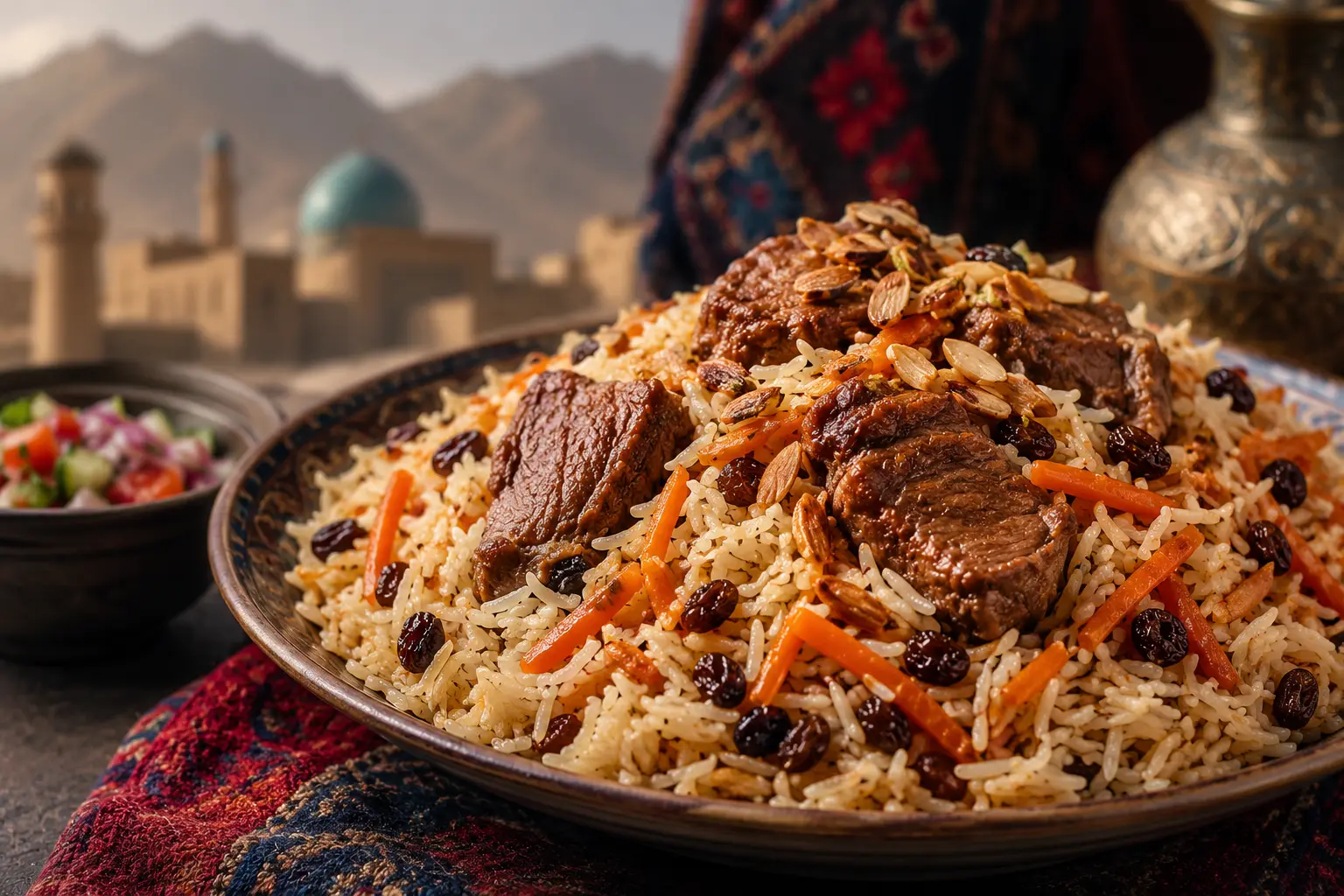
Kabuli Pulao is Afghanistan’s national dish and for good reason. This fragrant rice dish is slow-cooked with tender pieces of lamb or chicken, topped with sweet caramelized carrots, plump raisins, and sometimes almonds or pistachios. The combination of savory and slightly sweet flavors is unlike anything most first-time visitors have tasted before. It is rich, satisfying, and deeply comforting.
Afghan Kebabs
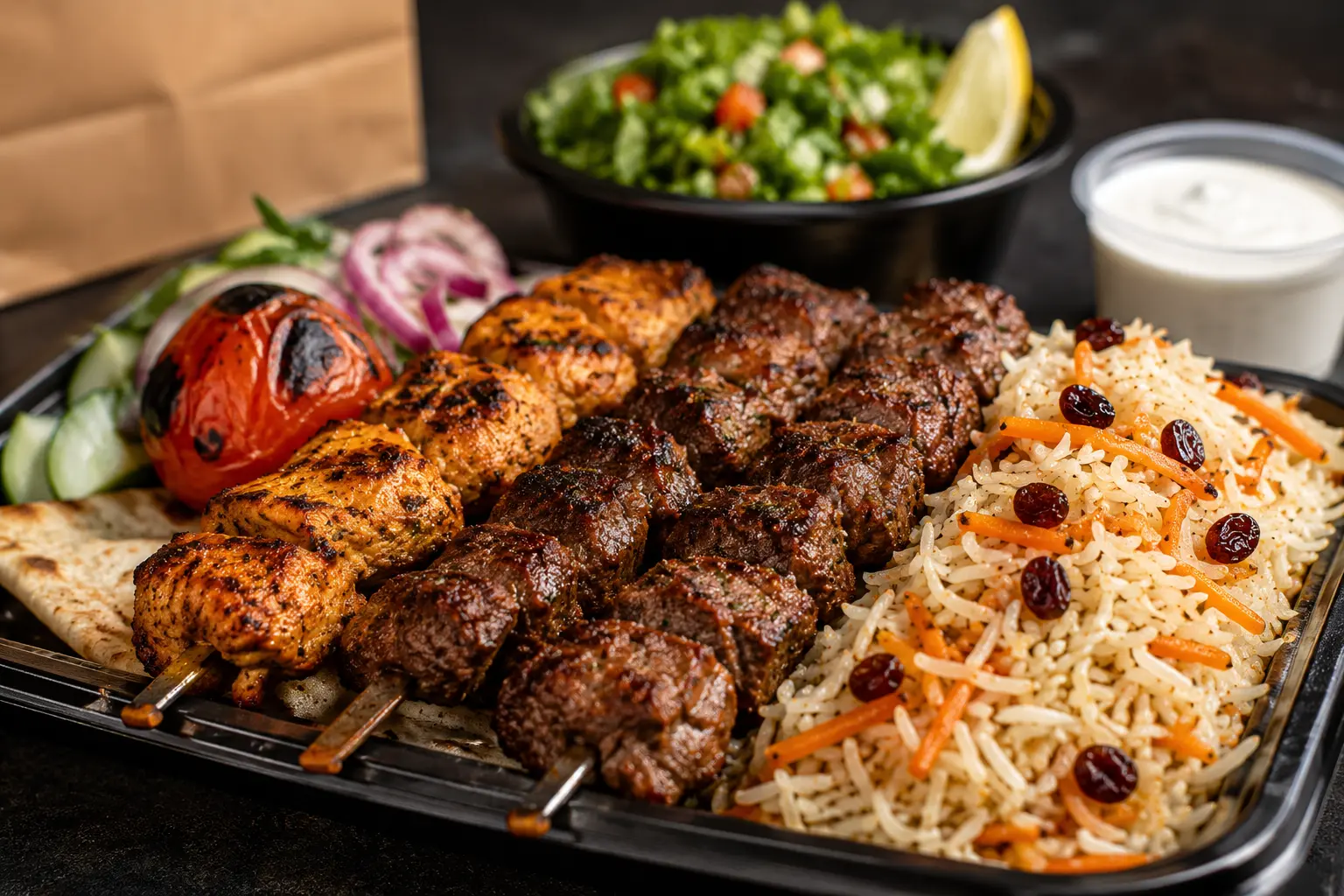
Afghan kebabs are a must-try for anyone visiting an Afghan restaurant. Unlike many other styles of kebab, Afghan kebabs are marinated in a blend of spices that deliver incredible flavor without overwhelming heat. You will find chapli kebabs, seekh kebabs, and shami kebabs, each with their own texture and seasoning. They are typically served with fresh Afghan bread and a side of chutney or yogurt dip. It is easy to see why Afghan kebabs are among the most beloved items on the Afghan Kabob and Donair menu.
Mantu
Mantu are traditional Afghan dumplings and one of the most cherished dishes in Afghan cuisine. These delicate steamed parcels are filled with seasoned ground meat, usually beef or lamb, and onions. They are served topped with a rich tomato-based sauce and a drizzle of garlic yogurt, often finished with dried mint and split peas. Mantu can work as a starter or a main course. Either way, they are a crowd favorite and a wonderful introduction to authentic Afghan food.
Bolani
Bolani is a stuffed Afghan flatbread that is pan-fried until golden and crispy on the outside. The filling is usually made with potatoes, spinach, lentils, or leeks, seasoned with fresh herbs. It is light, crispy, and full of flavor. Bolani is an ideal dish for first-time visitors because it is familiar enough in concept but unique in taste. It works beautifully as an appetizer or a snack alongside yogurt or chutney.
Qorma
Qorma is a category of slow-cooked Afghan stews that are hearty, aromatic, and deeply satisfying. These dishes can be made with lamb, chicken, beef, or even vegetables, cooked with tomatoes, onions, and a blend of warming spices. Qorma is typically served over rice and represents the kind of home-style cooking that Afghan food is celebrated for. Each bite carries the comfort of a dish that has been carefully prepared with time and care.
Afghan Food Culture and Dining Traditions
Food in Afghan culture is about far more than just eating. It is a way of expressing love, building community, and honoring guests. Sharing a meal is one of the most meaningful gestures in Afghan society.
Traditional Afghan meals are often prepared for large family gatherings, weddings, Eid celebrations, and other important occasions. The table is always full, and guests are encouraged to eat generously. Leaving a table hungry in Afghan culture would be considered a failure of hospitality on the host’s part.
This spirit of generosity extends into Afghan restaurants as well. When you visit a place like Afghan Kabob and Donair, you are not just ordering food. You are stepping into a tradition where every guest is valued and every dish is made with care.
Respect for elders and guests is central to the Afghan dining experience. It is also common for meals to end with Afghan tea, known as “chai,” which is brewed strong and sometimes flavored with cardamom. Tea is a sign of friendship and a natural conclusion to a satisfying meal.
Authentic Afghan Food Flavors and Ingredients
One of the most common questions from first-time visitors is: what does Afghan food actually taste like? The honest answer is warm, aromatic, and comforting.
Afghan cuisine uses a careful combination of spices that build layers of flavor without relying on excessive heat. Saffron gives rice dishes a golden color and subtle floral flavor. Cardamom appears in both savory dishes and desserts. Coriander and cumin add earthiness. Dried fruits like raisins and apricots bring a gentle sweetness that balances the savory elements.
Fresh herbs such as cilantro, mint, and dill are used generously. Yogurt is a staple, appearing as a dip, a sauce, or a side dish. Afghan bread, known as “naan” in the local style, is thick, chewy, and made fresh. It is perfect for scooping up stews and sauces.
Grilled meats are central to Afghan cooking. Lamb, chicken, and beef are all popular, often marinated and cooked over an open flame or charcoal grill. The result is meat that is tender, juicy, and full of smoky flavor.
What truly makes Afghan food unique is the harmony of all these elements together. Nothing overpowers anything else. Every dish feels balanced and intentional.
Best Afghan Dishes to Try for First-Time Visitors
If you are walking into an Afghan restaurant for the first time and want a simple starting point, here is a beginner-friendly list of must-try Afghan dishes:
- Kabuli Pulao – Start with the national dish. It captures everything beautiful about Afghan rice cooking.
- Chapli Kebab – Flat, seasoned meat patties grilled to perfection. A flagship item at Afghan Kabob and Donair.
- Mantu – Steamed dumplings with yogurt and tomato sauce. A crowd-pleaser for almost everyone.
- Bolani – Stuffed flatbread that is crispy, light, and incredibly tasty. Great as a starter.
- Ashak – Another popular Afghan dumpling option, filled with leeks and topped with meat sauce and yogurt.
- Shorwa – A simple, wholesome Afghan soup or broth-based stew. Ideal if you prefer lighter flavors to start.
- Afghan Naan – Do not skip the bread. It is fresh, soft, and essential to the experience.
- Firni or Sheer Khurma – Traditional Afghan desserts that are creamy, lightly sweet, and a lovely way to end the meal.
Afghan Restaurant Guide for Beginners
Here are a few practical tips to help you feel confident and comfortable on your first visit.
Read the menu from top to bottom. Most Afghan restaurants organize menus starting with appetizers such as Bolani and Mantu, followed by rice dishes, grilled meats, stews, and breads. Desserts and drinks come last. Scan the whole menu before deciding.
To share. Afghan food is best enjoyed family-style. Ordering two or three dishes to share with your group will give you a much better sense of the cuisine than sticking to a single plate.
Ask your server for recommendations. Afghan restaurant staff are usually very happy to guide first-time visitors. Do not hesitate to mention that it is your first time. They will likely steer you toward the best dishes on the menu.
Start with familiar flavors. If you are nervous about trying something unfamiliar, start with Afghan kebabs or Bolani. These are accessible entry points that most people love immediately.
Save room for tea. Ending your meal with Afghan chai is a wonderful tradition. It rounds off the meal beautifully and gives you a moment to sit back and appreciate the experience.
Dining etiquette is relaxed. Afghan restaurants are welcoming and informal. There is no need to worry about strict rules. Simply be respectful, enjoy the food, and embrace the warmth of the experience.
Why Afghan Cuisine Is Worth Exploring
There are many reasons to try Afghan food, but perhaps the most compelling is simply that it is genuinely delicious. The flavors are complex without being complicated. The ingredients are fresh and wholesome. The portions are generous. And the cultural experience of dining in an Afghan restaurant adds a richness that goes beyond the food itself.
Afghan culinary heritage is thousands of years old. Every dish carries the story of a culture that has survived and thrived through history, adapting influences from surrounding regions while maintaining its own identity. When you eat Afghan food, you are tasting that history.
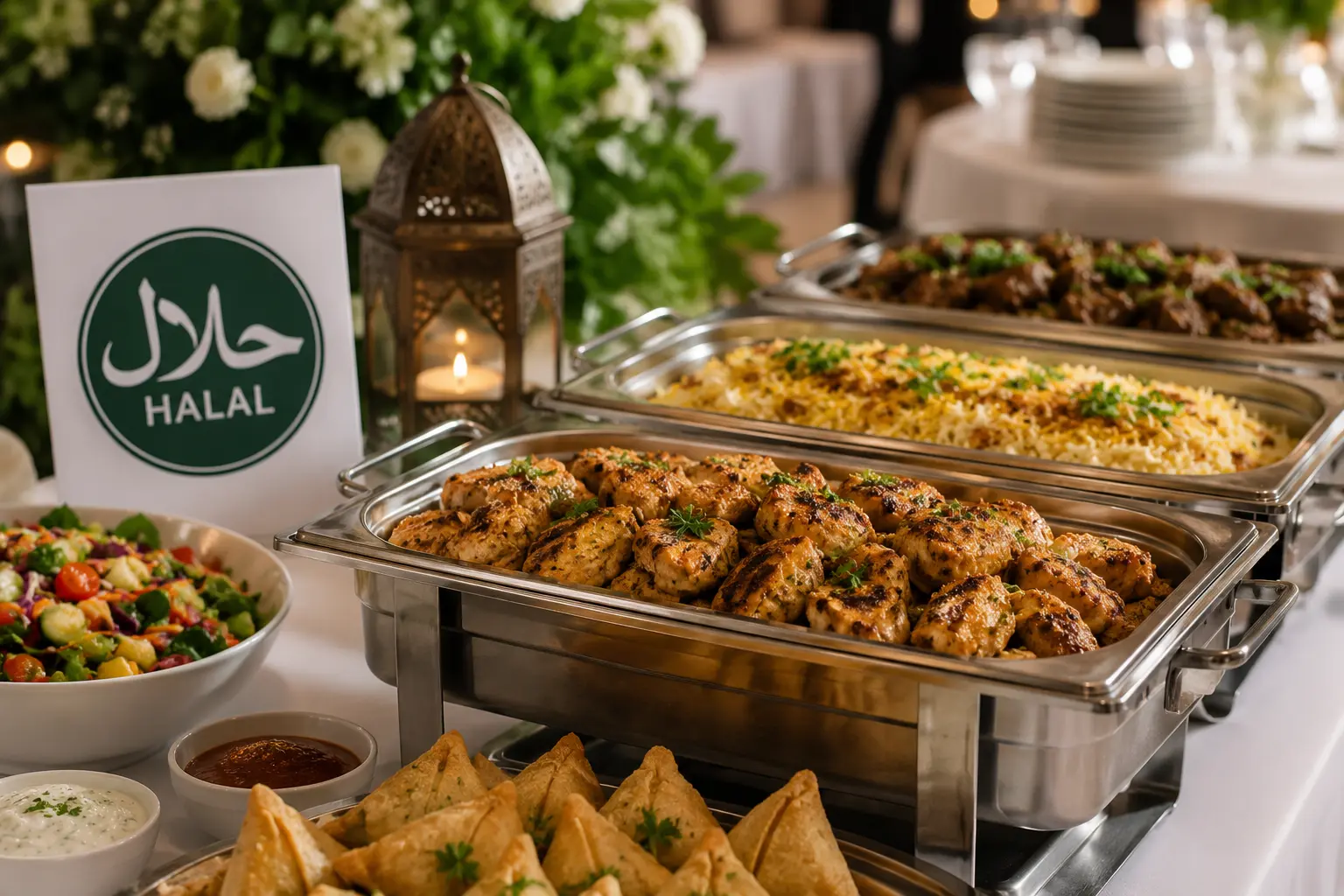
There is also a growing awareness of halal food options among diners of all backgrounds. Afghan restaurants traditionally serve halal-certified meats, making them a trusted choice for Muslim diners as well as anyone who values high-quality, carefully sourced ingredients.
Places like Afghan Kabob and Donair are helping to bring this incredible cuisine to wider audiences, making it easy for anyone to discover what authentic Afghan food truly tastes like.
Frequently Asked Questions
What should I order on my first visit to an Afghan restaurant?
Start with Bolani as an appetizer, then order Kabuli Pulao and one of the Afghan kebab options as your main dishes. If you have room, try Mantu as well. These dishes together give you a well-rounded introduction to Afghan cuisine.
What is the most popular Afghan dish?
Kabuli Pulao is widely considered Afghanistan’s most beloved dish and its national food. It is fragrant, beautifully presented, and full of layered flavors. Most Afghan restaurants will have their own special take on it.
Is Afghan food spicy?
Afghan food is flavorful and aromatic but generally not spicy in the way that some South Asian or Mexican cuisines can be. The spices used in Afghan cooking, such as cardamom, coriander, and saffron, add warmth and depth rather than intense heat. Most first-time visitors find Afghan food very approachable.
What makes Afghan cuisine different from other cuisines?
Afghan cuisine is unique because of the way it balances influences from Central Asia, the Middle East, and South Asia into something entirely its own. The combination of dried fruits with savory meats, the use of saffron in rice dishes, and the emphasis on slow cooking and fresh herbs all set Afghan food apart from its neighbors.
What can beginners expect at an Afghan restaurant?
Beginners can expect generous portions, warm and attentive service, a welcoming atmosphere, and a menu full of dishes that are both approachable and deeply flavorful. Afghan restaurants pride themselves on hospitality, so first-time guests are always made to feel comfortable and well-fed.
Conclusion
Afghan cuisine offers one of the most rewarding and memorable dining experiences you can have. The food is rich without being heavy, spiced without being hot, and deeply satisfying in a way that keeps people coming back. From the iconic Kabuli Pulao to the crispy Bolani and smoky grilled kebabs, there is something on every Afghan menu that will become a new favorite.
Beyond the food itself, the Afghan dining experience is shaped by a culture of extraordinary generosity and warmth. That spirit makes every meal feel like an occasion worth celebrating.
If you are ready to explore authentic Afghan cuisine, Afghan Kabob and Donair is a wonderful place to begin your journey. Step in, take your time with the menu, and let the flavors do the rest. You will not be disappointed.