Introduction
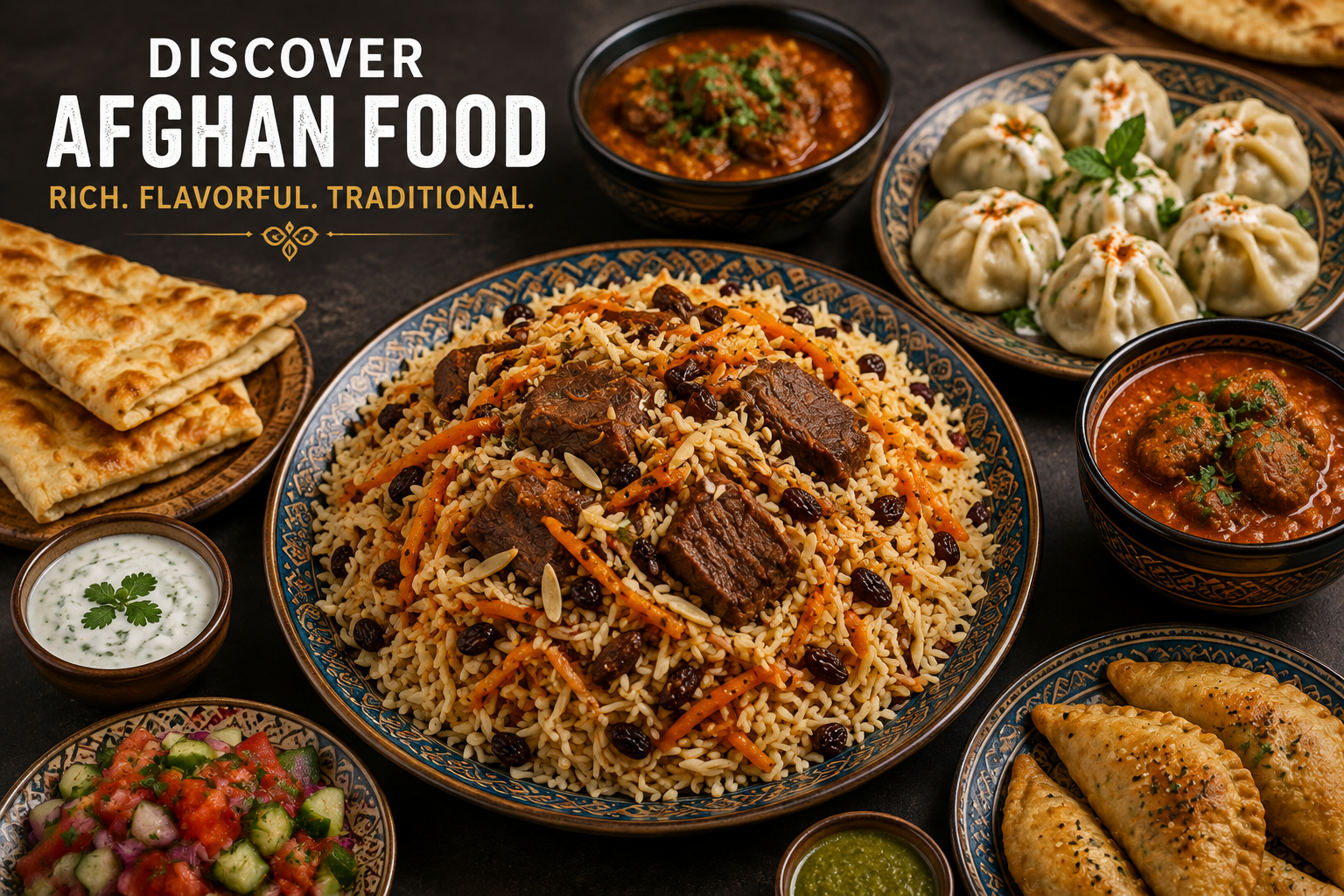
Afghan cuisine is one of the most underrated food cultures in the world, rooted in centuries of tradition and influenced by Central Asian, Persian, and South Asian flavors. From hearty rice dishes like kabuli pulao to slow-cooked stews, every Afghan meal tells a story of heritage and hospitality. If you are curious about where mantu fits in the bigger picture, check out our guide to the top Afghan dishes everyone should try.
Among all the beloved dishes in Afghan cooking, mantu holds a very special place. It is served at weddings, family gatherings, and festive occasions, and it has earned a reputation as one of the most impressive and flavorful dishes in the entire Afghan culinary tradition. If you have ever wondered what mantu is and why so many people are talking about it, this guide will walk you through everything you need to know.
What Is Mantu?
Mantu is a traditional Afghan dumpling dish made from thin dough wrapped around a spiced meat filling, steamed to perfection, and topped with a rich combination of sauces and garnishes. The word “mantu” is believed to have roots in the Turkic and Mongolian word for dumpling, reflecting the deep historical connections between Afghan culture and the wider Central Asian world.
In Afghan culture, mantu is far more than just a meal. It is a symbol of love and effort. Making mantu from scratch is considered a labor of love because the preparation is time-consuming and requires skill. Afghan families, especially women, take great pride in their ability to fold and steam mantu beautifully. The smaller and more delicately wrapped the dumplings, the higher the appreciation from guests.
Mantu is most commonly enjoyed as a main dish, and it is almost always present at celebrations and social events. It is one of those dishes that brings people together around the table.
Ingredients Used in Traditional Afghan Mantu
Understanding the ingredients is key to appreciating what makes mantu so flavorful and unique.
The Dough
- All-purpose flour
- Water
- A pinch of salt
- Sometimes a small amount of oil
The dough is kneaded until smooth and then rolled out very thin. The thinness of the dough is important because it gives mantu its delicate texture after steaming.
The Filling
- Ground beef or lamb (lamb is most traditional)
- Finely chopped onions
- Black pepper
- Coriander
- Salt
- Sometimes a pinch of cumin or chili powder
Beyond the great taste, the natural ingredients used in mantu also mean that Afghan food is incredibly nutritious and a wholesome choice for the whole family.
The filling is kept simple but punchy. The onions and spices blend with the meat to create a juicy, aromatic stuffing that becomes incredibly flavorful once steamed inside the dough.
The Toppings
This is where mantu truly comes alive. The toppings are layered generously over the steamed dumplings and include:
- Qorma (tomato-based meat sauce): A slow-cooked sauce made with ground meat, tomatoes, onions, and spices poured right over the top
- Chaka (yogurt sauce): Thick, strained yogurt mixed with garlic, which adds a cool and tangy contrast
- Split yellow peas: Cooked until soft and mixed into the qorma or served alongside
- Dried mint: Crushed and sprinkled on top for a fresh, herbal finish
- Chili flakes or paprika: Added for a gentle kick of heat
The combination of warm dumplings, savory sauce, creamy yogurt, and fragrant mint is what makes mantu an unforgettable eating experience.
How Mantu Is Made: A Step-by-Step Overview
Making mantu at home is a rewarding process, though it does require patience. Here is a general overview of how it comes together:
Step 1: Prepare the dough. Flour, water, and salt are mixed and kneaded into a smooth, firm dough. It is then left to rest so it becomes easier to roll out.
Step 2: Make the filling. Ground meat is combined with finely minced onions and spices. The onion is essential because it keeps the filling moist during steaming.
Step 3: Roll and cut the dough. The dough is rolled out very thin and cut into small squares, usually around three to four inches.
Step 4: Fill and fold. A small spoonful of filling is placed in the center of each square. The corners are then folded and pinched together in a specific way to seal the dumpling. The traditional fold brings all four corners to the center and then pinches them closed.
Step 5: Steam the dumplings. The mantu is arranged in a greased steamer basket and steamed for around 30 to 40 minutes until the dough is cooked through and slightly translucent.
Step 6: Prepare the toppings. While the mantu steams, the qorma sauce and chaka yogurt are prepared separately.
Step 7: Assemble and serve. The steamed dumplings are plated, covered with the qorma sauce, dolloped with garlic yogurt, and finished with dried mint and chili.
What Does Mantu Taste Like?
If you have never tried mantu before, the flavor experience is genuinely exciting. The overall taste is savory, aromatic, and layered with contrasting textures and temperatures.
The dumplings themselves are soft and slightly chewy, with a thin skin that gives way to a juicy, spiced meat filling. The filling carries warmth from black pepper and coriander without being overpowering.
The qorma sauce adds a deep, meaty richness with a hint of tomato sweetness. The garlic yogurt brings a cool creaminess that balances the warmth of the sauce perfectly. Dried mint lifts the whole dish with a herbal brightness, and if chili is added, it gives the final bite a pleasant heat.
In terms of texture, you get tender dumplings, silky sauce, thick yogurt, and soft peas all at once. It is a dish that feels indulgent but also comforting, which is probably why it is such a crowd favorite at Afghan gatherings.
Mantu vs Momo: Key Differences
Many people wonder how Afghan mantu compares to momo, the popular Nepali and Tibetan dumpling. While both are steamed dumplings with meat fillings, they are quite different in preparation, flavor, and presentation.
| Feature | Mantu (Afghan) | Momo (Nepali/Tibetan) |
| Dough thickness | Very thin | Slightly thicker |
| Filling spices | Coriander, black pepper, onion | Ginger, garlic, soy sauce |
| Cooking method | Steamed | Steamed or fried |
| Toppings | Qorma, garlic yogurt, dried mint | Tomato-based chutney or soup |
| Serving style | Plated with layered sauces | Served with dipping sauce on the side |
| Cultural origin | Afghan, Central Asian | Nepali, Tibetan |
| Occasion | Festive, ceremonial | Everyday street food |
The biggest difference is in how they are served. Momo is typically eaten with a dipping sauce on the side, while mantu is fully dressed with toppings before reaching the table. Mantu also carries more ceremonial weight in its culture compared to the everyday nature of momo.
Where to Try Mantu
If you want to try authentic mantu without making it yourself, Afghan restaurants are your best option. Mantu is a staple menu item at most Afghan eateries around the world. Cities with larger Afghan communities, including Fremont in California, parts of Toronto, London, and Sydney, tend to have dedicated Afghan restaurants that serve this dish with great authenticity.
In Afghanistan itself, mantu is widely available at local restaurants and is a centerpiece of home cooking across the country. If you are fortunate enough to be invited to an Afghan home, there is a good chance mantu will be on the table.
For those who prefer cooking at home, the recipe linked above from Fatima’s Fabulous Kitchen is an excellent starting point that guides you through every step with clarity.
Why Mantu Is Popular Worldwide
As Afghan communities have grown across North America, Europe, and Australia, mantu has traveled with them. Food lovers and adventurous eaters who try it once tend to become instant fans because the flavor combination is unlike anything else in the world of dumplings.
The growing interest in Central Asian and Middle Eastern cuisine has also helped mantu gain attention on food blogs, social media, and YouTube cooking channels. Food creators and home cooks are sharing their mantu-making experiences online, bringing this traditional dish to entirely new audiences.
Beyond its taste, mantu carries cultural storytelling. When people learn about the time and effort that goes into making it, they develop a deeper appreciation for Afghan hospitality and culinary tradition. Food has a powerful way of building bridges between cultures, and mantu is doing exactly that on a global scale.
Conclusion
Mantu is more than just a dumpling. It is a celebration of Afghan culture, family, and culinary craftsmanship. From its thin, delicate dough and spiced meat filling to its generous layers of qorma sauce, garlic yogurt, and dried mint, every element of mantu is designed to create something truly memorable on the plate.
Whether you are exploring Afghan food for the first time or looking to expand your dumpling knowledge beyond momos and potstickers, mantu deserves a spot on your must-try list. Find a local Afghan restaurant, follow a trusted recipe, or better yet, get invited to an Afghan family dinner. One bite of mantu and you will understand exactly why this dish has been cherished for generations.